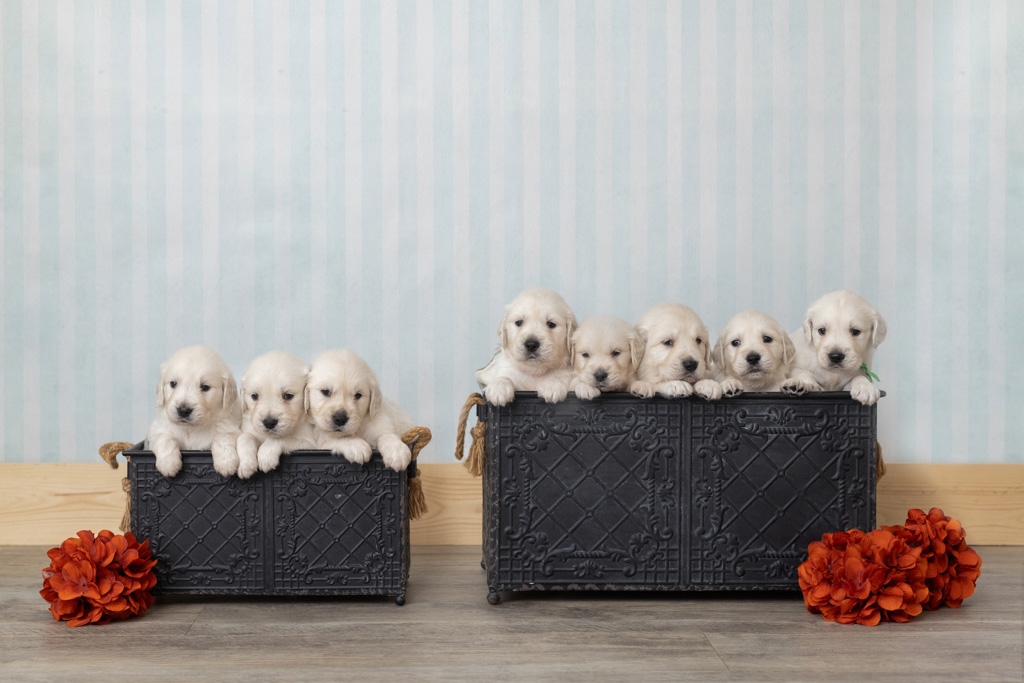
American Golden Retrievers vs. English Cream Golden Retrievers

Golden Retrievers are among the most beloved dog breeds worldwide. Their friendly nature and striking beauty make them a popular choice for families.

Did you know there are different types of golden retrievers? Specifically, there is the American Golden Retriever and the English Cream Golden Retriever.

These two variations share many traits, but they also have distinct differences. From their physical appearance to their temperament, each type offers unique characteristics.

In this article, we’ll explore the specifics of these two Golden Retriever breeds. We aim to provide a comprehensive guide for potential owners, breed enthusiasts, and anyone interested in better understanding these beautiful dogs.

Whether you’re considering adopting a Golden Retriever or simply curious about the breed, this article will offer valuable insights.

Understanding Golden Retriever Breed Popularity

Retrievers consistently rank among the top dog breeds in the United States. Their popularity stems from their friendly demeanor, intelligence, and versatility.

These dogs excel in various roles, from family pets to working dogs. They’re known for their skills in search and rescue, therapy work, and competitive dog sports. Their adaptability and eagerness to please make them a favorite among dog owners and enthusiasts.

The Origins of Golden Retriever Breeds

Golden Retrievers originated in Scotland in the mid-19th century. Thanks to their water-repellent coat and love of swimming, they were bred to retrieve game from both water and land.

Over time, the breed has evolved into different types, including the American Golden Retriever and the English Cream Retriever. These variations have developed due to differences in breeding standards and preferences in the United States and the United Kingdom.

Shared Traits of Golden Retrievers

Despite their differences, all types of retrievers share some common traits. They are known for their friendly and tolerant attitudes. These dogs are also highly intelligent and versatile, excelling in everything from hunting and tracking to obedience and therapy work.

Some of the shared traits among all Golden Retrievers include:

  • Friendly and reliable temperament
  • High intelligence and trainability
  • Love for water and natural retrieving abilities
  • Dense water-repellent coat
  • Strong and muscular body
  • Deep affection for their human families
  • High energy levels and exercise needs
  • Lifespan typically ranging from 10 to 12 years

American Golden Retriever: Distinct Features

American Retrievers are known for their rich, golden coats. They often have a luscious, wavy fur that is dense and water-resistant. Their coat color can range from a light golden hue to a deep, reddish gold.

These dogs have a strong, muscular build with a well-coordinated gait. They are slightly taller than their English counterparts, with males standing 23 to 24 inches at the shoulder and females 21.5 to 22.5 inches. Their eyes are typically dark brown, giving them a warm, friendly expression.

American Golden Retrievers are energetic and fun-loving animals. They are highly trainable and excel in obedience trials. Their high energy levels and intelligence make them suitable for various roles, including search and rescue, guide dogs for the blind, and even acting roles in films and television.

English Cream Golden Retrievers: Unique Characteristics

English Creams, often called ‘White’ Golden Retrievers, are known for their pale, cream-colored coats. Their fur is thick and water-resistant, similar to that of their American counterparts, but it tends to be straighter.

These dogs have a sturdy, well-balanced physique. They are slightly shorter and stockier than American Golden Retrievers, with males standing 22 to 24 inches at the shoulder and females 20 to 22 inches. Their eyes are usually a dark, rich brown, contributing to their gentle and intelligent expression.

English Cream Golden Retrievers are calm and composed, making them excellent family pets. They are intelligent and easy to train, often excelling in obedience and agility trials. Despite their calm demeanor, they are active dogs that require regular exercise to keep them healthy and happy.

Coat Color and Breed Standards

The coat color of golden retrievers can range from light cream to rich gold. The American Kennel Club (AKC) recognizes three color categories: light golden, golden, and dark golden. However, it’s important to note that the AKC does not recognize ‘English Cream’ as a separate breed or color.

The Kennel Club in the UK, on the other hand, allows a broader color spectrum. They accept any shade of gold or cream, excluding red or mahogany. This difference in breed standards is why English Cream Golden Retrievers are often lighter in color than their American counterparts.

Physical Differences: American vs. English Cream

American golden retrievers and English cream golden retrievers have distinct physical traits. American goldens typically have a leaner build and are slightly taller. Their coats are often darker and more golden in color.

On the other hand, English cream golden retrievers are generally stockier and have broader skulls. They have a lighter, cream-colored coat, as their name suggests. These differences result from different breeding standards in the US and UK.

Temperament and Behavior: A Comparison

American and English Cream Golden Retrievers are known for their friendly and patient demeanor. They are excellent with children and other pets, making them ideal family dogs. However, there are subtle differences in their behavior.

American Golden Retrievers are often more energetic and playful. They require plenty of exercise and mental stimulation. English Cream Golden Retrievers, while still active, are generally more calm and composed. They are known for their gentle and relaxed nature. These differences in temperament can be attributed to their distinct breeding lines and purposes.

Health and Lifespan Considerations

Golden Retrievers, regardless of type, are generally healthy dogs with a lifespan of 10-12 years. However, they are prone to certain health issues like hip dysplasia, eye disorders, and heart diseases. There’s no significant difference in health risks between American and English Cream Golden Retrievers, but responsible breeding and regular vet check-ups can help ensure a healthy life.

Exercise and Grooming Needs

Both American and English Cream Golden Retrievers are active and playful, requiring daily exercise to keep them fit and happy. They also have thick, water-repellent coats that need regular grooming to prevent matting and excessive shedding. Regular brushing and occasional baths will keep their coats healthy and shiny.

Choosing the Right Golden Retriever for You

When choosing between an American and English Cream Golden Retriever, consider your lifestyle, living conditions, and personal preferences. Both types make excellent family pets, but their differences in temperament, size, and grooming needs may make one a better fit for your home than the other.

Conclusion: Embracing the Differences

Whether you choose an American Golden Retriever or an English Cream, you welcome a loyal, loving, and intelligent companion into your home. Embrace the differences between these two types, as these unique traits make each Golden Retriever special in their own way.
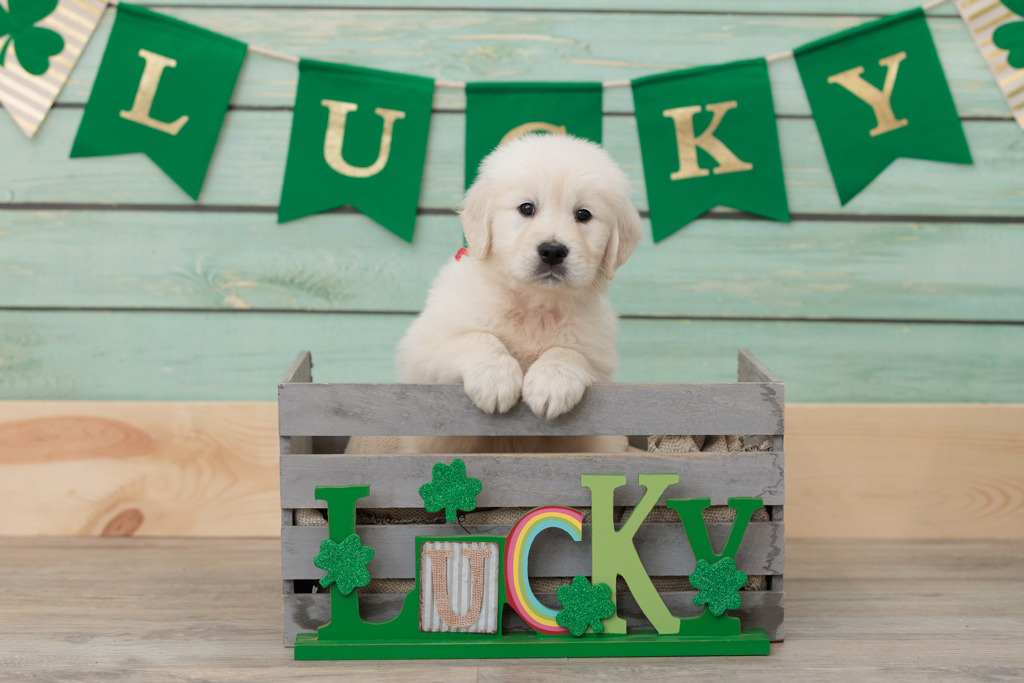
Mastering Crate Training: A Comprehensive Guide for a Happy Pup

Crate training your pup can feel like convincing a toddler that broccoli is more delicious than ice cream!

And yet, despite the initial resistance, crate training plays an essential role in your puppy’s development. It can provide a haven for your furry friend, assist in house training, and help prevent destructive behaviors.

With the right approach, you can transform crate time from feeling like a ‘canine jail cell’ into a ‘cozy doggie den.’

Let’s explore effective and humane crate training techniques to help your pup view their crate as a secure and welcoming space rather than a dreaded confinement.

What is Crate Training for Puppies?

Crate training for puppies involves acclimating your young dog to accepting a crate as a safe, familiar place. This training method utilizes a puppy’s instincts – considering their crate a place for sleep, refuge, and protection from potential danger.

The importance of crate training stems from its multiple benefits.

First, it assists in house training, as puppies are less likely to soil their sleeping quarters.

Additionally, it keeps puppies from destructive chewing or other mischief when they can’t be supervised.

Crate training can help reduce separation anxiety by establishing the crate as a secure and comfortable environment, making it easier for your pup to stay calm while you’re away.

In essence, crate training aims to make your pup feel secure, assist in behavior management, and facilitate a safe space for your puppy within your home.

Choosing the Right Crate

Selecting the optimal crate for your pup involves several key considerations.

Sizing and Space Considerations

The crate should be large enough for your pup to stand up without crouching and turn around comfortably. However, it shouldn’t be so spacious that your dog can designate one corner for sleeping and another for eliminating waste.

If you’re crate training a puppy, remember that they will grow quickly. Consider a crate with a divider panel. This feature allows you to adjust the size of the crate as your pup grows.

Material and Durability

Consider the material of the crate and how durable it is, especially if you have an aggressive chewer or a larger breed dog. Wire crates provide excellent ventilation and visibility, but plastic crates may be better for dogs that tend to chew or scratch.

Additionally, ensure the crate is easy to clean in case of accidents or spills.

Location

Choose a location for your pup’s crate that is calm, quiet, and away from high-traffic areas. This will help create a peaceful environment within the crate and prevent unnecessary distractions.

Avoid placing the crate near drafty areas or in direct sunlight, as these can affect your pup’s comfort and safety.

Introduction to the Crate

Introducing your puppy to their crate is a crucial step, and it should be done gradually to ensure they associate the crate with positive experiences.

The First Introduction

Start by placing the crate in a central area where your puppy spends a lot of time. Leave the crate door open and let your puppy explore it freely. Reward any interest in the crate with verbal praise and treats, but remember to let them explore at their own pace without forcing them in.

Making it Comfortable

Add soft blankets and your puppy’s favorite toys to make the crate comfortable and inviting. You could also include a piece of clothing that smells like you, as this can provide comfort and help soothe any separation anxiety.

Feeding in the Crate

Feeding meals inside the crate can help establish a positive association with the crate. Initially, place the food near the door of the crate and gradually move it further back as your puppy grows more comfortable.

Gradual Increments

Once your puppy is comfortable eating inside the crate, you can close the door for short periods. Gradually increase the time the door is closed, ensuring your puppy is calm and content.

Remember, the crate should never be used for punishment, and your puppy should always have a positive experience while inside. With patience and persistence, they will see their crate as a haven where they can relax and feel secure.

Specific Crate Training Tips for the Best Experience

Crate training a puppy is like teaching someone to swim or ride a bike. It can take some time and effort, but everyone is happier once they get the hang of it.

Here are a few tips to ensure the best crate training experience for both you and your pup:

Scheduled Feeding and Potty Breaks

Puppies thrive with routine, and this is especially true for crate training. Set a regular feeding schedule for your pup, followed by scheduled potty breaks outside. This will help establish a consistent routine and prevent unnecessary accidents.

Gradual Alone Time

As your puppy becomes comfortable in the crate with the door closed, leave them alone for short periods. Begin with just a few minutes and gradually increase the time as your puppy becomes more comfortable.

Plenty of Exercise and Mental Stimulation

A tired puppy is a calm puppy, so provide plenty of exercise opportunities for your pup. Additionally, mental stimulation like puzzle toys or training activities can help prevent boredom and destructive behavior while in the crate.

Never Use the Crate as Punishment

Always use positive reinforcement through praise and treats. Never use punishment or force to get your puppy into the crate, as this will create a negative association with the crate.

Similarly, if your puppy does something they aren’t supposed to, don’t use the crate as a form of time-out. This will only confuse your puppy and make them less likely to see the crate as a safe and comfortable space.

Crating as a Bedtime Routine

Using the crate as part of your puppy’s bedtime routine can help establish security and relaxation. Place them in the crate with their favorite toy or blanket, and turn off the lights for a good night’s sleep.

How to Handle Crying and Whining

We know it can be tough to hear your puppy crying or whining when in the crate but remember that this is a natural response for puppies who are still getting used to their new environment.

Here are a few things you can do to help alleviate the crying and make the crate training experience more positive:

Distractions

Try using toys as distractions when placing your puppy in the crate, especially if they show signs of distress. Chew or puzzle toys can provide a positive outlet for anxious energy.

Understanding Your Puppy’s Vocalizations

Puppies use vocalizations to communicate different needs and emotions. Whining can indicate separation anxiety, while crying may indicate that your puppy needs to go potty.

It’s essential to pay attention to the nuance in their vocalizations and respond accordingly. Running and rescuing your pup whenever they cry can be tempting, but this may reinforce the behavior and make crate training more challenging.

Crate Training Challenges

While crate training is essential, it must be said there will be challenges.

But that doesn’t mean it’s impossible. You can help your puppy see their crate as a safe and comfortable space with patience, consistency, and positive reinforcement.

Here are some common challenges you may encounter and how to handle them:

Accidents in the Crate

Accidents in the crate may occur, especially if your puppy is still potty training. If this happens, clean up the mess without making a fuss or punishing your puppy. Instead, take them outside immediately and reward them for going potty in the appropriate spot.

Escaping or Destructive Behavior

Some puppies may try to escape their crate or engage in destructive behaviors like chewing on the crate bars. If this happens, it’s crucial to address the underlying cause. Your puppy may be bored, anxious, or have too much energy to burn.

In these cases, provide plenty of exercise and mental stimulation outside the crate. You can also try covering the crate with a blanket to create a more den-like environment for your pup.

It’s Okay to Ask for Help

Crate training may not come naturally to every puppy, and that’s okay. If you’re struggling, don’t hesitate to reach out for help from a professional dog trainer or behaviorist.

They can assess the situation and provide personalized advice to make crate training more manageable. Remember, every puppy is different, and finding a method that works best for you and your furry friend is essential. Happy crate training!

You might even consider enrolling your puppy in training before they get to your home. At Majestic Manor Goldens, we offer various training options to prepare your puppy for crate training and other essential skills. Don’t hesitate to ask us for more information or recommendations!

Consistency is the Key to Puppy Crate Training

Remember, consistency and patience are essential when it comes to crate training. With the right approach, your puppy will learn to see their crate as a safe and comfortable space, making you and your pup happier in the long run.

So, be consistent, and don’t give up! Your puppy will thank you for it with a lifetime of good behavior and love. Remember these tips; soon enough, your pup will be crate-trained like a pro. Happy training!