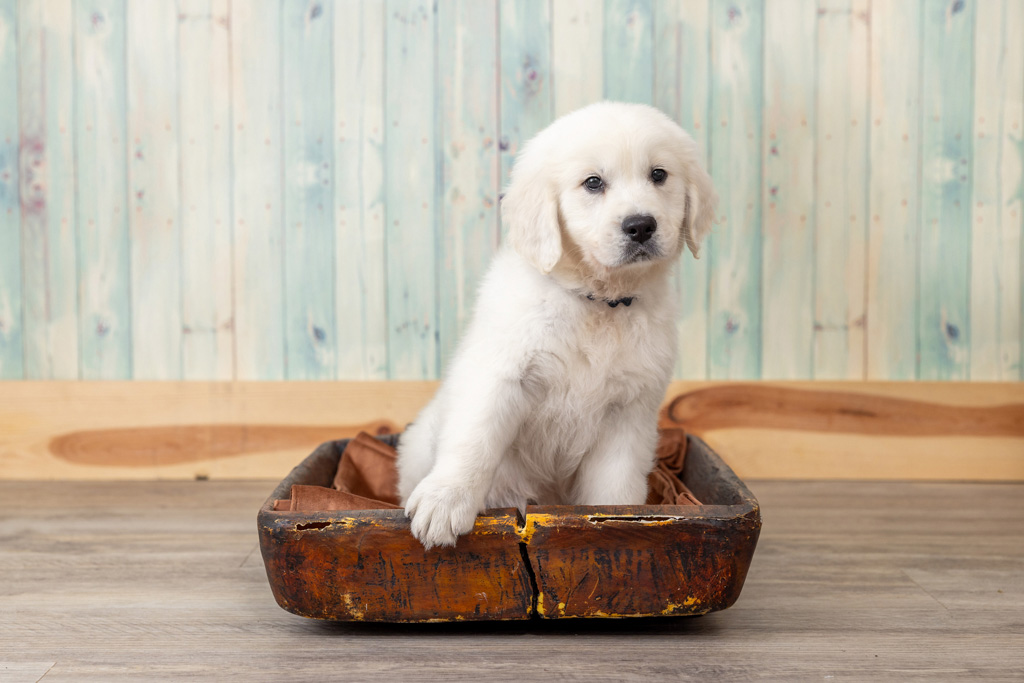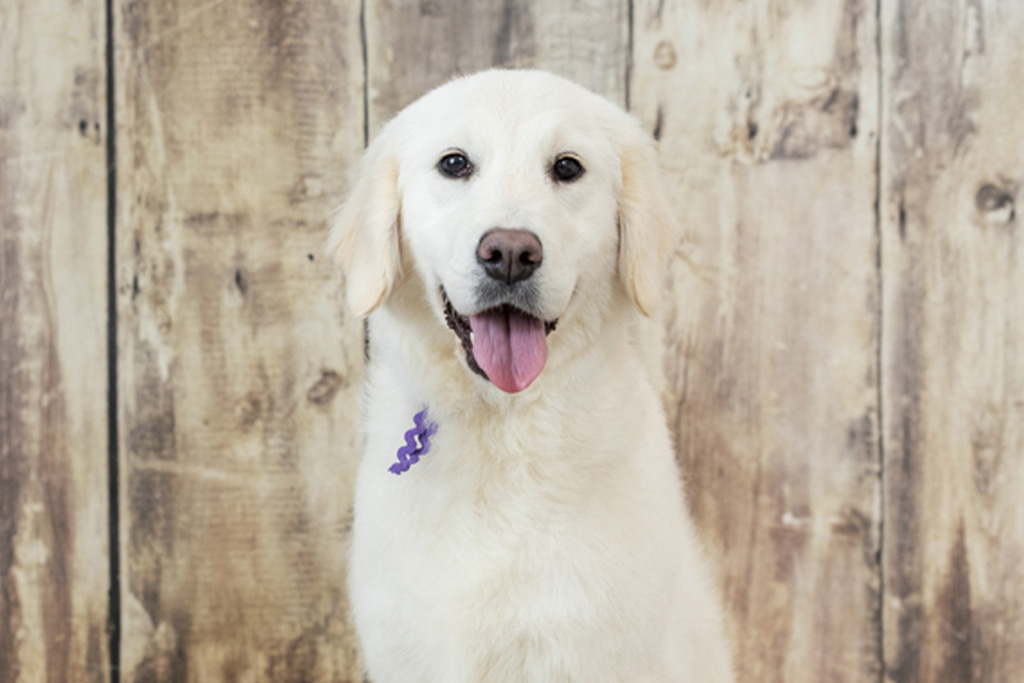
What Makes English Cream Goldens So Adaptable to Family Life?

There’s a reason so many families say their English Cream Golden Retriever feels less like a pet and more like a true member of the household.

From the moment they arrive home, these dogs have a remarkable ability to settle into family life. They follow the kids from room to room, rest their heads on your lap at the end of the day, and somehow always know when someone needs a little extra comfort.

At Majestic Manor Goldens, we’ve watched this happen again and again over the years. Puppies grow into companions who seem to understand the rhythm of family life almost instinctively.

So what is it about English Cream Goldens that makes them so naturally suited for homes filled with people, routines, and everyday chaos?

Let’s take a closer look.

A Temperament Built for Companionship

English Cream Golden Retrievers were originally bred to work closely alongside people. Their purpose was not just to retrieve game, but to do so cooperatively, calmly, and attentively with their human partners.

That history still shapes their personality today.

Goldens tend to be:

  • Gentle and patient
  • People-focused
  • Emotionally intuitive
  • Naturally affectionate

This combination makes them incredibly easy to integrate into family environments. They thrive when they are included in everyday life, whether that means joining school drop-offs or heading out for evening walks.

They Read the Room (and the Family)

One of the most beautiful traits of English Cream Goldens is their emotional intelligence.

Many families notice that their Golden seems to instinctively adjust to the mood of the home. When the kids are playing outside, they happily join in. When the house settles down for the evening, they quietly curl up nearby.

They seem to understand when it’s time for energy and when it’s time for calm.

That ability to read the room makes them especially wonderful companions for households with children, busy schedules, or multiple generations under one roof.

Wonderful with Children

For families with kids, this is often the trait that seals the deal.

English Cream Goldens are known for their patience and gentle nature, which helps them navigate the unpredictable energy that children bring.

They tend to tolerate hugs, loud laughter, and playful chaos with remarkable grace.

Of course, like with any dog, respectful interactions should always be taught and supervised. But when raised in a thoughtful environment, Goldens often become a child’s first best friend.

Many of our Majestic Manor families tell us the same thing:

“We didn’t just bring home a puppy. We brought home a lifelong childhood memory.”

Eager to Please (Which Makes Training Easier)

Another reason English Cream Goldens adapt so well to family life is their eagerness to please.

They genuinely enjoy learning and responding to their people.

That means training often feels less like a chore and more like a shared activity. With consistency and positive reinforcement, Goldens typically pick up:

  • House manners
  • Basic obedience
  • Social behavior around guests
  • Family routines

Because they want to make their people happy, they tend to respond quickly to encouragement and praise.

Social and Friendly by Nature

English Cream Goldens are famously friendly, not just with their families but also with guests, neighbors, and other animals.

This natural sociability helps them adjust smoothly to environments where people come and go frequently.

For families who host gatherings, welcome visiting relatives, or have children bringing friends over, an English Cream Golden Retriever’s welcoming personality fits right in.

They’re often the first to greet someone at the door, tail wagging and ready to make a new friend.

Active When You Are, Calm When You Are Calm

Another reason Goldens adapt so beautifully to family life is their flexibility.

They love activity and play, but they are equally content simply being near their people.

On a busy day, they will happily join you for a hike or a game of fetch. On a quieter evening, they are just as comfortable resting nearby while the family watches a movie.

This balance makes them ideal for households with varying energy levels.

A Dog That Truly Wants to Be Part of the Family

More than anything, English Cream Golden Retrievers want to belong.

They do not thrive when isolated or treated as an afterthought. But when they are included in routines, outings, and daily life, they flourish.

That desire to be part of the pack is what makes them such extraordinary companions.

  • They greet you in the morning.
  • They walk beside you through the day.
  • They curl up nearby at night.

And before you know it, you can’t imagine life without them.

Why Families Fall in Love with English Cream Goldens

When people ask what makes this breed so special, the answer is simple.

English Cream Golden Retrievers bring together a rare combination of qualities:

  • Gentle temperament
  • Loyalty and affection
  • Intelligence and trainability
  • Social friendliness
  • Emotional connection with their people

It’s no surprise that so many families describe their Golden as the heart of their home.

At Majestic Manor Goldens, we’re honored to see these connections unfold every single day.

Because when a Golden joins a family, something wonderful happens, not all at once, but little by little.

A quiet bond grows, a rhythm forms, and life just feels a little warmer.

Spring Energy Is Coming: How to Help Your Golden Adjust Smoothly

As winter begins to loosen its grip and the days slowly grow longer, many Golden Retriever families start noticing a familiar shift. Their dogs suddenly seem to have a lot more energy.

It’s not your imagination. Spring naturally brings a surge of excitement, curiosity, and activity for many dogs, especially for energetic, people-loving breeds like the English Cream Golden Retriever.

At Majestic Manor Goldens, we see this transition every year. Puppies and adult dogs alike seem to wake up with renewed enthusiasm for playtime, walks, and outdoor exploration.

The good news is that with a little preparation, you can help your Golden adjust smoothly and make the most of the season.

Why Spring Changes Your Golden’s Energy Level

Several natural factors influence your dog’s behavior as winter turns to spring.

Longer Days Mean More Activity

Dogs, like people, respond to increased daylight. Longer days often mean more opportunities for stimulation. There is more time for walks, more time outside, and more environmental excitement.

For Goldens, who already have a strong instinct to explore and engage, this often translates to extra bursts of playful energy.

Warmer Weather Encourages Movement

Cold winter months naturally limit activity. As temperatures rise, dogs are suddenly able to move more freely and comfortably outdoors.

That pent-up winter energy has to go somewhere. It often shows up as zoomies, playful mischief, or enthusiastic outdoor adventures.

New Smells, Sounds, and Activity

Spring introduces an entirely new sensory world for your dog. Fresh scents begin to rise from the ground, birds return, squirrels become more active, and grass invites rolling and exploring.

For a Golden Retriever, this feels like a completely refreshed environment.

Resetting Your Golden’s Routine

One of the best ways to help your dog adjust to the seasonal shift is by re-establishing a consistent routine.

Golden Retrievers thrive on structure. When their days have a predictable rhythm, they tend to feel calmer and more balanced.

Consider adjusting your routine to include:

  • A longer morning walk to burn early energy
  • Midday enrichment or training activities
  • Evening play sessions or family time

These consistent outlets help channel your dog’s excitement in positive ways.

Increasing Exercise the Right Way

Golden Retrievers are active dogs, but it is important to increase exercise gradually, especially if winter meant a slower pace.

Suddenly jumping from minimal activity to long runs can lead to fatigue or joint strain.

Start With Simple Daily Movement

Great spring exercise options include:

  • Brisk neighborhood walks
    Games of fetch in the yard
  • Gentle hiking trails
  • Structured play sessions with other friendly dogs

A good rule of thumb for adult Goldens is 45 to 60 minutes of activity per day. Puppies will benefit from shorter, more frequent bursts of play and training.

Don’t Forget Mental Stimulation

Physical exercise is only half the picture. English Cream Golden Retrievers are incredibly intelligent dogs, and their minds need activity as well.

Mental stimulation helps prevent boredom and reduces unwanted behaviors that sometimes appear during seasonal transitions.

You can support this by incorporating:

  • Puzzle toys
  • Scent games
  • Short obedience training sessions
  • Hide-and-seek games around the house or yard

Just 10 to 15 minutes of focused brain work can be as satisfying as a long walk.

At Majestic Manor Goldens, we see this firsthand every day. Our dogs and puppies live on 22 acres with plenty of room to run and explore. Nearly half of that space is wooded, and we make it a priority to schedule regular “woods walks.”

During these walks, the dogs are encouraged to slow down, sniff, and explore the changing scents of the season. This kind of activity engages their senses in a completely different way than structured exercise. It provides both a mental workout and a physical one, which helps them feel more balanced overall.

Managing Spring Shedding

Another change many Golden owners notice this time of year is increased shedding.

As temperatures warm, Goldens naturally begin shedding their thicker winter coats.

Regular grooming can make a big difference in keeping your home and your dog comfortable. Helpful spring grooming habits include:

  • Brushing your dog several times per week
  • Using an undercoat rake during peak shedding
  • Bathing occasionally with a gentle dog shampoo
  • Scheduling professional grooming if needed

At the Manor, we also use a high-powered pet dryer along with brushing to help blow out loose undercoat. This is something we always do outside, and it is incredibly effective.

Seeing all that loose hair lifted away really puts things into perspective. It also means far less hair ends up on your floors and furniture.

Not only does regular grooming control shedding, it also helps distribute natural oils and keeps your Golden’s coat healthy and shiny.

Watch for Overstimulation

Spring excitement can sometimes lead to overstimulation, especially in younger dogs or puppies.

Signs your Golden may be overwhelmed include:

  • Excessive barking
  • Restlessness indoors
  • Jumping or hyperactivity
  • Difficulty settling down

If you notice these behaviors, it may help to balance activity with calm time. Structured rest periods, chew toys, and quiet spaces can help your dog learn how to relax between bursts of activity.

Helping Puppies Navigate Their First Spring

For puppies experiencing their first spring season, everything is new. The smells, the sounds, and the textures of grass and mud all create a brand-new experience.

This is a wonderful opportunity to build confidence through gentle exposure and positive experiences.

Focus on:

  • Short exploratory walks
  • Introducing new environments gradually
  • Positive reinforcement for calm behavior
  • Plenty of praise and encouragement

At Majestic Manor, we emphasize early socialization for this very reason. Puppies who experience the world with patience and encouragement grow into confident adult dogs.

Enjoy the Season Together

Spring is a beautiful reminder that life moves in cycles. For dog families, it often means more outdoor time, more laughter, and more shared experiences.

English Cream Golden Retrievers were bred to be companions. They thrive when they are included in daily life, from morning walks to backyard play sessions.

With a little planning, patience, and consistency, you can help your Golden transition smoothly into the livelier months ahead.

And before you know it, those muddy paw prints and wagging tails will become some of the best memories of the season.

The Human–Dog Bond: Why Some Dogs Feel Like They ‘Just Get You’

Most people who live with a dog eventually experience a moment that feels hard to explain.

Your dog seems to know when you are having a difficult day.

They stay close when you are quiet.

They respond to your emotions before you say a word.

It can feel almost uncanny, as if your dog understands you in a way that goes beyond training or routine. For many families, especially those living with an English Cream Golden Retriever, this sense of being understood becomes one of the most cherished parts of the relationship.

This is not imagination or coincidence. The human–dog bond is real, measurable, and deeply rooted in both biology and shared history.

A Bond Shaped Over Thousands of Years

Dogs did not become companions by accident. Over thousands of years, they evolved alongside humans, learning to read our behavior, respond to our emotions, and live within our social structures.

Unlike other animals, dogs developed an exceptional ability to interpret human cues. Research shows that dogs are uniquely skilled at reading facial expressions, body language, and vocal tone. They notice subtle shifts in posture, energy, and mood that often go unnoticed by other people.

This evolutionary partnership laid the foundation for a bond that feels deeply intuitive. Dogs did not just learn how to live near humans. They learned how to live with us.

Emotional Attunement Is Not Random

Some dogs seem especially sensitive to their people. They respond quickly to emotional changes and offer comfort without being prompted.

This emotional attunement is influenced by several factors:

  • Genetics and temperament
  • Early socialization
  • Consistent, trusting relationships
  • A calm and secure environment

English Cream Golden Retrievers are widely recognized for their emotional intelligence and people-oriented nature. They are bred not just for appearance, but for temperament, making them especially responsive to human emotion.

When a dog is naturally inclined toward connection and raised in an environment that reinforces trust, emotional awareness becomes second nature.

The Role of Oxytocin in the Human–Dog Bond

One of the most well-documented aspects of the human–dog bond involves oxytocin, often referred to as the bonding hormone.

Studies have shown that positive interactions between dogs and humans, such as eye contact and gentle touch, increase oxytocin levels in both. This chemical response reinforces feelings of trust, attachment, and calm.

In practical terms, this means that simply being with your dog can help regulate stress and strengthen emotional connection. Over time, repeated interactions deepen this bond, creating a sense of mutual understanding.

This biological feedback loop helps explain why some dogs feel emotionally grounding to be around. The bond is not just emotional. It is physiological.

Dogs Learn You Through Daily Life

While biology sets the stage, the bond grows through everyday interaction.

Dogs observe patterns constantly. They notice when you wake up, how you move through your home, and what your energy feels like at different times of day. Over time, they learn what is normal for you and what is not.

When something shifts, they notice.

They may stay closer when you are quiet. They may offer play when your energy feels heavy. They may simply sit nearby, providing steady presence without demand.

This learning does not come from formal training. It comes from living alongside you, day after day.

Why Some Dogs Feel More Connected Than Others

Not all dogs connect in the same way, and that is normal. The depth of connection often depends on alignment between a dog’s temperament and a family’s lifestyle.

Dogs bred for companionship, like English Cream Golden Retrievers, are especially tuned in to human interaction. They seek closeness, thrive on routine, and respond strongly to emotional cues.

When a family provides consistency, affection, and gentle structure, the bond strengthens naturally. Over time, the dog becomes more than a pet. They become a presence that feels familiar and reassuring.

This is often when families say their dog feels like they “just get them.”

Presence Without Judgment

One of the most powerful aspects of the human–dog bond is the absence of judgment.

Dogs do not analyze, critique, or assign meaning to emotions. They respond to what is happening in the moment. This creates a space where people can simply be, without needing to explain or justify how they feel.

For many families, this unconditional presence offers comfort that is difficult to find elsewhere. It allows emotions to exist without pressure to change them.

English Cream Golden Retrievers, known for their calm demeanor and steady companionship, often excel in this role. Their presence alone can feel grounding.

Shared Routines Strengthen Understanding

Routines play a significant role in building trust and connection.

Daily walks, feeding times, and quiet evenings create opportunities for shared experience. These moments may seem small, but they form the foundation of understanding between dog and human.

Through routine, dogs learn expectations and patterns. Humans, in turn, learn how their dog communicates comfort, excitement, and stress.

This mutual awareness deepens the bond, making interaction feel intuitive rather than effortful.

Why the Bond Feels Stronger Over Time

Many families notice that the bond with their dog deepens as the years pass. This is because trust compounds.

Shared experiences build confidence. The dog learns that their needs will be met, and the family learns how to respond effectively. Over time, communication becomes subtle and effortless.

The relationship shifts from caretaking to companionship. This is often when families feel most deeply understood by their dog.

More Than Affection, It Is a Relationship

The human–dog bond is not based solely on affection. It is built on trust, consistency, and emotional safety.

Dogs do not understand words the way humans do, but they understand tone, presence, and intention. When those elements are steady, dogs respond with loyalty, sensitivity, and connection.

For families living with an English Cream Golden Retriever, this bond often becomes a defining part of daily life. Not loud or dramatic, but steady and deeply reassuring.

When a Dog Feels Like They Truly Understand You

When people say their dog “just gets them,” they are often describing a relationship built on thousands of small moments.

Moments of quiet companionship.

Moments of shared routine.

Moments of unspoken understanding.

This bond does not happen overnight. It grows through patience, presence, and mutual trust.

And once it forms, it becomes one of the most meaningful relationships a family can experience.

How Dogs Help Children Learn Empathy, Responsibility, and Calm

Families often bring a dog into their home because they want companionship, joy, and connection. What many do not realize at first is how deeply a dog can shape a child’s emotional world.

Dogs do more than play with children. They quietly teach them how to care, how to notice others, and how to regulate their emotions in moments of stress or excitement. These lessons are not delivered through instruction. They are learned through daily interaction, shared routines, and simple presence.

For families raising children alongside an English Cream Golden Retriever, these benefits often unfold naturally. The relationship between child and dog becomes a steady, grounding force that supports emotional growth in ways few other experiences can.

Empathy Begins with Everyday Awareness

Empathy is not something children learn all at once. It develops gradually as they begin to recognize that others have feelings, needs, and boundaries that may differ from their own.

Living with a dog creates daily opportunities for this understanding.

Children learn to notice when their dog is tired, excited, nervous, or content. They begin to recognize body language, tone, and behavior. Over time, they understand that their actions affect how their dog feels.

Research in child development consistently shows that caring for animals helps children strengthen emotional awareness and perspective-taking. When children learn to adjust their behavior to comfort or respect a dog, they are practicing empathy in a real, meaningful way.

With English Cream Golden Retrievers, this process often feels especially gentle. Their calm temperament and emotional sensitivity make it easier for children to read and respond to their needs, reinforcing empathy through positive interaction rather than correction.

Responsibility Develops Through Consistency, Not Pressure

Responsibility is one of the most obvious lessons families hope a dog will teach, but it does not come from assigning chores alone. It grows from consistency and shared care.

Children learn responsibility when they understand that their actions matter every day. Feeding schedules, walking routines, and grooming habits all create opportunities for children to participate in care that feels purposeful.

Importantly, responsibility with a dog is relational. Children see the direct result of their efforts. A fed dog is content. A walked dog is calmer. A brushed coat is comfortable.

This cause-and-effect relationship helps children internalize responsibility as something meaningful rather than something imposed.

English Cream Golden Retrievers, with their patient and forgiving nature, allow children to learn at a manageable pace. Mistakes become teachable moments rather than sources of stress, which supports confidence rather than discouragement.

Calm Is Learned Through Presence

One of the most powerful, yet often overlooked, benefits of growing up with a dog is how it supports emotional regulation.

Dogs live in the present moment. They respond to energy, tone, and rhythm rather than words. Children naturally mirror this.

Studies on the human animal bond show that interacting with dogs can help lower stress levels and promote calm, especially in children. Simply sitting with a dog, petting them, or resting nearby can help regulate emotions during moments of overwhelm.

English Cream Golden Retrievers are particularly known for their steady demeanor. Their calm presence can help children settle after a busy day, ease anxiety, and create a sense of emotional safety within the home.

This does not mean dogs eliminate big feelings. It means they provide a steady presence children can return to as they learn how to manage those feelings.

Emotional Intelligence Grows Through Relationships

Emotional intelligence includes understanding emotions, responding appropriately, and developing self-awareness. Living with a dog supports all three.

Children begin to understand that dogs communicate differently than people. They learn to interpret cues without relying on words. This strengthens emotional literacy and nonverbal communication skills.

Over time, children also learn patience. Dogs do not always respond immediately or predictably. Learning to wait, adjust, and respond thoughtfully builds emotional flexibility.

English Cream Golden Retrievers, bred for companionship and connection, naturally reinforce these lessons. Their desire to be close and responsive creates a feedback loop where children feel understood and motivated to return that understanding.

Confidence Grows When Children Feel Needed

Children benefit from feeling capable and trusted. Caring for a dog provides opportunities for both.

When children are given age-appropriate responsibilities and see that their dog depends on them, confidence grows. They learn that they are capable of caring for another being, which can translate into increased self-esteem.

This sense of purpose is especially meaningful during developmental stages where children are forming their identity and sense of competence.

Dogs do not judge effort or performance. They respond to consistency and kindness. That unconditional acceptance reinforces confidence in a way that feels safe and encouraging.

Structure Supports Emotional Growth

Dogs thrive on routine, and children benefit from it as well.

Daily schedules that include a dog naturally introduce structure into a child’s life. Morning walks, feeding times, and bedtime routines create predictability that supports emotional regulation.

Research shows that predictable routines help children feel secure. When a dog is part of that routine, the structure feels relational rather than rigid.

English Cream Golden Retrievers adapt well to family schedules, making them excellent partners in creating a home environment that supports both emotional and behavioral growth.

Teaching Boundaries Through Gentle Guidance

Learning boundaries is an essential part of empathy and responsibility. Dogs provide clear, natural opportunities for children to learn this skill.

Children learn when a dog wants space, when play is welcome, and when rest is needed. These lessons help children understand consent and respect in a tangible way.

Because English Cream Golden Retrievers are generally patient and tolerant, they allow children to learn boundaries through gentle redirection rather than fear-based correction. This creates a safer and more effective learning environment.

A Relationship That Grows with the Child

One of the most meaningful aspects of a child growing up with a dog is that the relationship evolves over time.

As children mature, so does their understanding of care, empathy, and responsibility. The dog remains a steady presence through these changes, offering comfort, companionship, and continuity.

For many families, the bond between child and dog becomes a defining part of childhood memories. Not because of grand moments, but because of everyday interactions that quietly shape who a child becomes.

A Lasting Impact Beyond Childhood

The lessons children learn from living with a dog often extend well beyond the years they share together.

Empathy becomes instinctive. Responsibility feels purposeful. Calm becomes something they know how to access.

Dogs do not teach these lessons through instruction. They teach them through presence, routine, and relationship.

For families raising children alongside an English Cream Golden Retriever, these lessons often feel woven into daily life. Quiet, steady, and deeply meaningful.

And long after childhood has passed, those lessons tend to remain.

The Quiet Ways Dogs Change a Home (That No One Tells You About)

When people talk about bringing a dog into their home, they usually focus on the obvious moments. The excitement of the first day. The joy of puppy kisses. The laughter that comes with clumsy play and wagging tails.

What rarely gets talked about are the quieter changes. The ones that unfold slowly and almost without notice. The ways a dog reshapes daily life not through big gestures, but through presence, routine, and connection.

Dogs do not just bring energy into a home. They soften it. They steady it. And over time, they transform a house into something that feels more grounded, more lived-in, and more deeply connected.

Quiet Feels Different When You Are Not Alone

One of the first unexpected shifts many families notice is how quiet it begins to feel once a dog becomes part of the household.

It is not that the house is louder or busier all the time. It is that silence no longer feels empty. A dog resting nearby changes the texture of a room. The gentle sound of breathing, the quiet movement from one space to another, and the sense of shared presence all make stillness feel comforting rather than hollow.

Even when nothing is happening, the home feels inhabited in a new way. There is a calm reassurance in knowing you are not alone in the quiet moments, and that kind of presence has a grounding effect on the entire household.

Everyday Routines Take on New Meaning

Before a dog, routines often feel like tasks to get through. Morning alarms, evening schedules, and daily responsibilities blur together as part of a busy life.

With a dog, those same routines begin to carry more meaning.

Morning walks become a moment of connection before the day starts. Evening feedings naturally signal that it is time to slow down. Even simple habits, like opening the door or settling onto the couch, feel more complete when they are shared.

Dogs thrive on consistency, and in return, they help families create a rhythm that feels steady and intentional. Over time, routines stop feeling rushed and start feeling like rituals that anchor the day.

Leaving and Coming Home Feels Different

This is a change many people do not expect until they experience it.

Once a dog is part of the family, leaving the house carries a different weight. There is comfort in knowing someone is waiting for you, someone whose excitement and affection do not depend on how long you were gone or what kind of day you had.

Coming home becomes more than unlocking the door. It becomes a reunion, even if it is a quiet one. For many families, this sense of being expected and welcomed adds emotional depth to the idea of home itself.

Home stops being just a place and starts feeling like a relationship.

Emotional Support Appears in Subtle Ways

Dogs are often described as emotional support companions, but that support rarely looks dramatic or obvious.

More often, it shows up in small, steady moments. A dog stays close when energy feels low. A gentle nudge or quiet presence during a stressful day. A calm weight resting against you when words feel unnecessary.

English Cream Golden Retrievers, in particular, are known for their emotional awareness and sensitivity to their people. They do not need to be taught to notice changes in mood. They simply do. Over time, many families realize that their dog offers comfort not by fixing problems, but by quietly sharing the space during them.

Laughter Finds Its Way Into the Day

Dogs bring humor into a home in ways that feel effortless and unplanned. A playful misunderstanding, a dramatic stretch, or an expression that seems almost human can break tension and invite laughter at just the right moment.

These moments may be small, but they matter. They remind families not to take everything so seriously and help create a home where joy feels natural rather than forced.

In homes with children, dogs often become a bridge between responsibility and play. In quieter households, they introduce lightness that gently punctuates the day. Either way, laughter becomes easier to come by when a dog is part of daily life.

A Home Learns to Move More Gently

Living with a dog subtly changes how people move through their space.

Doors close more softly. Footsteps become more mindful. Voices are lower during moments of rest. These changes are rarely intentional, but they reflect a growing awareness of shared space and mutual care.

Over time, this gentleness often extends beyond the dog itself. Families find themselves slowing down, becoming more patient, and paying closer attention to one another. A home with a dog learns how to be considerate simply by learning how to care.

Presence Becomes More Valuable Than Productivity

In a world that often rewards constant motion, dogs quietly offer a different perspective. They are not impressed by how busy you are or how much you accomplish. What matters to them is that you are present.

Time spent sitting together, walking without urgency, or simply sharing the same room becomes meaningful in a way that productivity cannot replace. Many families notice that their dog gently shifts priorities, making space for moments that might otherwise be overlooked.

Being present starts to feel rewarding again, not because life slows down entirely, but because there is someone who thrives in those moments with you.

The Bond Forms Without Announcement

Perhaps the most surprising change of all is how quietly the bond develops.

There is rarely a single moment when everything clicks. Instead, connection builds through daily interactions. Feeding, walking, resting, learning one another’s rhythms. Over time, families realize they are no longer adjusting to life with a dog. The dog has simply become part of life.

This kind of bond does not announce itself. It settles in, steady and reliable. And once it does, it reshapes the meaning of home in ways that feel lasting and deeply personal.

When a House Starts to Feel Like Home

Dogs do not change a home by demanding attention or filling every moment with activity. They change it by adding a heart.

They offer companionship without conditions. They create connections without words. They bring comfort into ordinary moments and meaning into routines that once felt mundane.

The quiet ways dogs change a home are often the ones families treasure most. They linger in the background of daily life, shaping how a household feels long after the puppy stage has passed.

Those are the changes no one really tells you about. And for many families, they are the reason home never feels the same again.

Are English Cream Golden Retrievers High Maintenance?

English Cream Golden Retrievers captivate with their striking appearance and gentle demeanor. Their creamy coats and soulful eyes make them stand out among other Golden Retriever colors. But are they high maintenance?

These dogs are known for their friendly nature and intelligence. They thrive in family settings, offering loyalty and companionship. However, their care needs can be demanding.

Understanding their grooming, exercise, and health requirements is crucial. Prospective owners should be prepared for the commitment involved. 

This article explores whether English Cream Golden Retrievers are high-maintenance. Join us as we delve into the world of these beautiful dogs. Discover what it takes to care for them and if they are the right fit for you.

What Makes English Cream Golden Retrievers Unique?

English Cream Golden Retrievers are a delightful variation of the Golden Retriever breed. Their history traces back to Scotland, where they were initially bred for hunting and retrieving. Today, they are cherished for more than just their skills.

The distinguishing feature of this breed is their pale, creamy coat, setting them apart from other Golden Retriever colors. This unique look has made them popular among dog enthusiasts. Here are a few traits that make them special:

  • Gentle and friendly demeanor
  • High intelligence and trainability
  • Strong bond with family members

Beyond looks, their temperament makes them ideal family pets. They excel in obedience and agility, reflecting their intelligence and eagerness to please. These qualities, combined with their captivating appearance, make them truly unique companions.

Grooming Needs: Managing That Luxurious Coat

One of the most distinctive features of English Cream Golden Retrievers is their luxurious coat. Despite its beauty, it requires regular grooming to keep it in prime condition. Their thick, double-layered coat is prone to shedding, making consistent grooming a necessity.

Weekly brushing is essential to remove loose hair and prevent matting. This practice helps maintain a clean, healthy appearance and reduces the amount of hair left around the home. Additionally, regular baths can help maintain their coat’s radiant condition and keep the skin healthy.

Aside from the general upkeep, there are some key grooming tasks to consider:

  • Trimming nails every few weeks
  • Cleaning ears to prevent infections
  • Brushing teeth to promote good oral health

These grooming practices play a crucial role in ensuring your English Cream Golden Retriever remains healthy and comfortable. With proper care, their coat will remain a stunning testament to their unique charm.

Exercise and Activity Requirements

English Cream Golden Retrievers are known for their active lifestyle and need for regular exercise. Adequate physical activity is crucial to maintain their health and prevent obesity. Without enough exercise, they can become restless and develop behavioral issues.

A daily routine should include plenty of aerobic activity. A minimum of 30 to 60 minutes of exercise is recommended to meet their energetic needs. This can include walks, runs, or playtime in a secure area, allowing them to stretch those playful legs.

Consider these activities to keep them engaged:

  • Playing fetch or frisbee
  • Engaging in agility training
  • Going for a swim, which they usually love

These activities also serve to strengthen the bond between you and your dog. Keeping them physically stimulated ensures a happy, healthy companion.

Health Considerations and Veterinary Care

English Cream Golden Retrievers are generally healthy, but can inherit some genetic conditions. Being aware of potential health issues helps provide them with a fulfilling life. Regular veterinary check-ups are essential to catch health concerns early and manage them effectively.

Like all breeds, they can be prone to specific problems. Conditions such as hip dysplasia and heart issues might arise. Genetic screening and responsible breeding practices help minimize these risks. Hence, it’s crucial to choose breeders who prioritize health.

A balanced diet is vital to keep them in top shape and support their active lifestyle. It helps prevent obesity and related health challenges. Alongside dietary care, maintaining proper dental hygiene protects against oral diseases.

Regular veterinary visits ensure they stay up-to-date with vaccinations. Preventive care and monitoring play key roles in their longevity and happiness.

Training, Socialization, and Mental Stimulation

English Cream Golden Retrievers thrive with training and socialization. Their intelligence makes them quick learners. Early training helps develop good behavior and manners.

Positive reinforcement techniques work best for this breed. They respond well to praise and rewards. Consistency and patience are key for effective training.

Socialization is equally important to avoid shyness or aggression. Introducing them to various experiences and settings builds confidence. Regular mental exercises keep their minds sharp, engaged, and satisfied.

Consider including these activities:

  • Obedience classes
  • Puzzle toys
  • Social dog meet-ups

With the right guidance, they develop into well-adjusted companions. Their versatility shines in activities like therapy and agility. A focused, mentally stimulated Retriever leads a content and balanced life.

Emotional Needs and Companionship

English Cream Golden Retrievers are naturally affectionate. They form strong bonds with their families. This loyalty is a key part of their charm.

However, they dislike being alone for long periods. They can suffer from separation anxiety, impacting their well-being. Ensuring their emotional needs are met is crucial for a happy pet.

To keep them emotionally healthy, consider these tips:

  • Spend quality time daily
  • Provide companionship with other dogs or pets
  • Engage in shared activities like fetch or walks

These actions help them feel loved and secure. With attention and affection, these Retrievers remain joyful and content. Their happiness shines through their cheerful demeanor.

Is an English Cream Golden Retriever Right for You?

Choosing an English Cream Golden Retriever is a significant decision. They are endearing but demand commitment. It’s essential to assess your readiness for their care needs.

These dogs thrive in environments where they receive attention and interaction. Consider your lifestyle and time constraints. Are you able to dedicate time each day to walks, play, and training?

Before deciding, ask yourself:

  • Can I provide daily exercise?
  • Am I prepared for regular grooming?
  • Is my home suitable for their active lifestyle?

These questions help determine if this breed fits your life. They flourish in loving, attentive homes. A well-cared-for English Cream Golden Retriever will enrich your family’s life with joy and companionship.

Conclusion: Balancing Love and Responsibility

English Cream Golden Retrievers are exceptional companions, known for their beauty and gentle nature. However, owning one is a commitment that requires attention, time, and energy. Ensuring they receive proper care and training is vital for their well-being.

Balancing love with responsibility brings rewards that enrich the lives of both owner and pet. These dogs thrive when nurtured with dedication and affection. By meeting their needs, you create a harmonious relationship that celebrates the joy and loyalty they bring into your life. Investing in your furry friend’s happiness promises a joyful companionship.

Should I Dress My Dog Up for Halloween?

As Halloween approaches, many pet parents are tempted by the adorable costumes lining store shelves. But before slipping a superhero cape or hot dog suit onto your English Cream Golden Retriever, it’s important to ask: Is this fun for both of us?

Dressing your dog up can be a festive and memorable experience — if done thoughtfully. Here’s how to make sure your dog’s costume is more treat than trick.

Start With Comfort and Temperament

Not all dogs enjoy wearing clothing, and that’s okay. Like people, dogs have unique personalities and comfort levels. While some may love the attention and extra cuddles, others might feel restricted or stressed in a costume.

When introducing your dog to a costume, pay close attention to their body language. Signs of discomfort might include:

  • Excessive scratching or pawing at the costume
  • Attempts to wriggle out or hide
  • Tense body posture or tucked tail

If your pup seems relaxed and unbothered, you likely have a costume-friendly dog on your hands. If not, it’s best to keep things simple — a themed bandana or lightweight cape might be a more comfortable option.

Safety First: What to Look For in a Dog Costume

Beyond comfort, safety is key. Any costume you choose should:

  • Avoid small, detachable parts that could be swallowed
  • Leave your dog’s eyes, ears, and nose unobstructed
  • Be made from breathable, non-irritating fabric
  • Allow your dog to walk, sit, and move freely
  • Include no sharp edges or tight elastic

Large breeds like English Cream Golden Retrievers can also overheat more easily, so it’s especially important to choose lightweight materials and avoid heavy layering.

Before Halloween night, test the costume indoors for short periods to ensure it stays secure and doesn’t interfere with movement or cause distress.

Finding the Right Fit for Large Dogs

It’s no secret that most dog costumes are made with smaller breeds in mind — but that doesn’t mean your Golden has to sit out the fun. When shopping for large dog costumes:

  • Take accurate measurements (neck, chest, length from neck to tail)
  • Use sizing charts provided by the brand
  • Prioritize adjustability and freedom of movement
  • Avoid leg coverings and full-body suits that may feel restrictive

Pro tip: Look for costumes designed with function over flash. A comfortable pup is a confident pup — and that shows in every tail wag and photo op.

Simple Alternatives for Costume-Shy Dogs

If your dog isn’t a fan of full costumes, try festive accessories like:

  • Holiday-themed bandanas
  • Lightweight capes
  • Decorative collars or bow ties

These provide a hint of Halloween spirit without the hassle — and they’re often easier to wear for longer stretches of time.

Costume Ideas That Work for Big Dogs

Need some inspiration? Here are a few costume ideas that tend to work well for larger breeds:

Beloved Characters

Superheroes, classic movie icons, or fairy tale creatures — just be sure the costume is lightweight and flexible.

Funny Favorites

Hot dogs, lions, and other lighthearted themes are always a hit. Bonus points for comfort and minimal fuss.

DIY and Personalized

Homemade costumes allow for total control over materials and fit — and they’re a fun family activity! Just make sure anything you add is secure and safe.

Key Considerations for Large Breeds

Because of their size and strength, large dogs require more durable, thoughtfully designed costumes. Keep these extra points in mind:

  • Choose lightweight fabrics that won’t overheat your dog
  • Make sure the costume stays in place but doesn’t restrict movement
  • Skip costumes that completely cover legs, tails, or paws

Ultimately, your dog should be able to walk, run, and play without being bothered by their outfit.

Final Thoughts: A Costume Should Be Fun for Your Dog, Too

Dressing your English Cream Golden Retriever up for Halloween can be a fun and festive tradition — if your dog enjoys it. The goal is always to make sure they feel comfortable, confident, and safe.

Whether you go for a simple accessory or a head-turning costume, the most important thing is to prioritize your dog’s well-being. After all, the best costumes are the ones worn with a wagging tail.

Keeping Pets Safe During Halloween

Halloween is a festive time filled with fun and excitement. However, it can pose unique challenges for pet owners. The hustle and bustle of Halloween can be overwhelming for pets, especially English Cream Golden Retrievers.

Understanding how to keep your pet safe during this holiday is crucial. From spooky decorations to tempting treats, potential hazards abound.

This guide will provide you with practical advice on Halloween pet safety. You’ll learn how to create a safe and nurturing environment for your furry friend.

By following these tips, you can ensure a stress-free Halloween for both you and your pet.

Understanding Halloween Hazards for Pets

Halloween introduces a variety of new sights and sounds that can unsettle pets. The constant doorbell ringing and influx of visitors might make your pet anxious or scared. Stress can lead to unexpected behaviors, like hiding or aggression.

Moreover, some traditional Halloween items pose physical dangers. Decorations like strings and cords can entangle pets, posing a choking hazard. Be aware of open flames from candles that your pet might accidentally tip over.

To help keep your pet safe, consider these common Halloween hazards:

  • Loud noises and commotion
  • Decorative candles and open flames
  • Small items that may be ingested

Understanding these risks allows you to create a safer environment for your pet.

Creating a Safe Space Indoors

Your home should be a haven for your pet during Halloween. Ensure there’s a quiet, cozy retreat for them to escape the festive chaos. This could be a bedroom or any space where your pet feels secure.

Having familiar and comforting items nearby can be invaluable. Include their favorite toys, a comfortable bed, or a familiar blanket. These items can help soothe your pet when stressed.

Consider the following tips for enhancing their indoor space:

  • Choose a room that’s away from the front door
  • Use calming music to mask outdoor noise
  • Provide access to water and a comfortable resting area

Creating a designated area will help reduce stress and promote relaxation.

Candy, Treats, and Toxic Foods: What to Avoid

Halloween is synonymous with sweets, but many popular treats are harmful to pets. Chocolate is especially dangerous for dogs, including English Cream Golden Retrievers. It contains theobromine, which is toxic to dogs.

Beyond chocolate, candies and gums with xylitol pose risks, too. This artificial sweetener can cause a rapid insulin release, leading to low blood sugar and liver failure in dogs.

To keep your pet safe:

  • Store all candy and treats in high, inaccessible places
  • Avoid giving pets human snacks with potential allergens
  • Always check the ingredients before offering your pet anything new

By safeguarding your Halloween goodies, you’re taking an important step to protect your pet’s health.

Costume Safety: Dressing Up Without Stress

Dressing up your pet can be fun, but it’s crucial to prioritize comfort and safety. Costumes should not restrict movement or breathing. Ensure that your pet’s costume fits properly without being too tight or loose.

Choose costumes made from non-toxic materials, avoiding those with small parts that could be chewed or swallowed. It’s essential to pay attention to how your pet reacts to being dressed up. Some pets may feel stressed or anxious.

When selecting a costume, keep these tips in mind:

  • Comfort First: Ensure your pet is comfortable
  • Avoid Obstructions: Costumes should not block vision or hearing
  • Keep it Simple: Less is more to prevent stress

Taking these precautions will ensure a safe and enjoyable Halloween experience for your furry friend.

Managing Decorations and Household Dangers

Decorations add to the festive spirit, but they can pose risks to pets. Many items are enticing to curious animals, so keep potentially harmful decorations out of reach. Be mindful of objects that are easily broken or swallowed.

Electric lights and cords are another concern. Pets can chew on them, risking electrical shock. Use pet-safe lighting options and securely tape down or cover wires. Additionally, avoid using candles, which can be easily knocked over.

Keep decorations safe for your pet by following these guidelines:

  • No Lit Candles: Opt for battery-operated lights
  • Secure Wiring: Tape or hide cords
  • Fragile Items High: Keep breakables out of reach

By taking these steps, you ensure your home remains safe and welcoming for both pets and guests during Halloween.

Preventing Escapes and Lost Pets

During Halloween, doors frequently open for trick-or-treaters, increasing the chance of pets escaping. To prevent this, keep a close eye on your pet’s whereabouts and use barriers or gates at entry points. This creates a safe zone for your furry friend, reducing the risk of them slipping out unnoticed.

Identification is crucial in case an escape happens. Ensure your pet has a secure collar with up-to-date identification tags. Microchipping offers added security, aiding in reuniting you with your pet if they get lost.

Consider these precautions for added safety:

  • Use Barriers: Keep pets away from open doors
  • Secure Identification Tags: Ensure information is current
  • Microchip Your Pet: Provides a permanent ID

By implementing these practices, you protect your pet from getting lost amidst the Halloween excitement.

Calming Anxious Pets During Halloween

Halloween can be overwhelming for pets with all its unfamiliar noises and activities. To help ease your pet’s stress, create a calming environment in a designated quiet room. This safe space should have their favorite bed, toys, and soothing sounds like soft music to drown out the noise.

If your pet tends to get anxious, consider using calming products such as pheromone diffusers or anxiety wraps. These can provide comfort and help reduce stress levels, keeping your pet more relaxed during the festivities.

Monitor your pet’s behavior closely for signs of anxiety. Be ready to intervene with comforting words or actions. Implement these tips to ensure your pet remains calm:

  • Designate a Quiet Space: With favorite items and soft music
  • Use Calming Products: Such as pheromone diffusers
  • Monitor Behavior: Intervene when signs of stress appear

Implementing these strategies can significantly improve your pet’s well-being during Halloween.

Outdoor Safety and Trick-or-Treating Precautions

When it comes to Halloween, outdoor activities can pose additional risks for pets. If you plan to take your pet along for trick-or-treating, keep them on a secure leash at all times to prevent sudden escapes or accidents.

It’s essential to have your pet wear reflective gear, especially when walking at night. This increases their visibility to both drivers and other pedestrians. Also, avoid overly crowded areas to reduce stress for your pet.

Here are some quick precautions to consider:

  • Use a Secure Leash: Prevent sudden escapes
  • Wear Reflective Gear: Increase nighttime visibility
  • Avoid Crowded Areas: Reduce stress on your pet

Following these precautions ensures a safer outdoor experience for your pet during Halloween.

Essential Halloween Pet Safety Tips: Quick Reference

To ensure a smooth and safe Halloween for your pets, keep these crucial tips in mind. Create a quiet, secure space for your pet to retreat to. Always keep candy out of reach, and be mindful of open doors and windows.

Quick Reference Tips:

  • Quiet Safe Space: For relaxation
  • Keep Candy Out of Reach: Prevent poisoning
  • Secure Doors and Windows: Avoid escapes

Conclusion: Prioritizing Your Pet’s Well-Being

Halloween can be a joyful time, but it’s essential to focus on your pet’s safety and comfort. Understanding the hazards and taking proactive steps can prevent stress and injury.

By creating a nurturing environment and anticipating potential dangers, you’ll ensure your English Cream Golden Retriever feels secure and happy during Halloween celebrations. Your proactive care makes all the difference.

Understanding Dog Nutritional Needs

Understanding dog nutrition is key to ensuring your pet’s health and happiness. It can be overwhelming for new pet owners. But don’t worry, we’re here to help.

This guide explores essential elements of dog nutrition, especially for English Cream Golden Retrievers. While these beautiful dogs often have specific dietary needs, every dog is unique — and it’s always best to consult your veterinarian before making major changes to their diet.

A balanced diet is crucial for your dog’s well-being. It supports their growth, energy, and overall health. Knowing what to feed your dog can prevent common health issues.

We’ll explore the role of proteins, fats, and carbohydrates. These nutrients are vital for your dog’s body functions. Vitamins and minerals also play a significant role.

Understanding dog food labels is important. It helps you make informed choices about your dog’s diet. We’ll guide you through this process.

We’ll also discuss special diets and common myths. This includes grain-free, raw, and homemade diets. Knowing what to avoid is just as important.

Finally, we’ll provide practical feeding tips. These will help you maintain a balanced diet for your dog. Let’s embark on this journey to better pet nutrition together.

The Foundations of Dog Nutrition

Dog nutrition lays the groundwork for a healthy lifestyle. Understanding this foundation is crucial for every pet owner. Let’s explore the key components.

Proteins are indispensable in your dog’s diet. They fuel muscle growth and repair. Choose high-quality sources like chicken or fish.

Fats are another essential part of dog nutrition. They provide energy and support bodily functions. Look for foods with healthy fats like Omega-3 and Omega-6.

Carbohydrates supply your dog with quick energy. They’re important but should not dominate the diet. Opt for whole grains and vegetables for carbs.

Vitamins and minerals are vital micro-nutrients. They contribute to immune function and bone health. Make sure your dog’s food is enriched with these nutrients.

A balanced diet ensures your dog receives all necessary nutrients. Here’s a simple list to remember:

  • Protein for muscles
  • Fats for energy
  • Carbohydrates for fuel
  • Vitamins and minerals for overall health

Finally, keep fresh water available at all times. Hydration is just as important as nutrition. Remember, each dog is unique; tailor the diet to their needs.

Essential Nutrients for Dogs: What Every Owner Should Know

Dogs require a range of essential nutrients to maintain their health. This includes proteins, fats, carbohydrates, vitamins, and minerals. Each plays a unique role in your dog’s well-being.

Proteins play an important role in your dog’s growth and repair. Many dogs benefit from quality protein sources, but exact needs can vary — talk to your vet about the right balance for your dog.

Fats are not just a source of energy. They also support cell function and nutrient absorption. Good fats are key to healthy skin and a shiny coat.

Carbohydrates provide energy, especially for active dogs. They should be balanced with other nutrients to avoid weight gain. Opt for complex carbohydrates like sweet potatoes and oats.

Vitamins and minerals are needed in smaller amounts. They are no less important. These nutrients support the immune system and keep your dog’s body functioning smoothly.

Proper hydration is also essential. It aids digestion and helps regulate body temperature. Always ensure your dog has access to clean water.

To summarize, ensure your dog’s diet contains:

  • Proteins
  • Fats
  • Carbohydrates
  • Vitamins
  • Minerals

Each dog’s requirements will differ based on age, size, and health. Consulting a vet can help tailor the perfect diet.

Proteins: Building Blocks of Health

Proteins are indispensable for dogs. They are crucial for muscle growth and tissue repair. But the quality of protein matters just as much as quantity.

High-quality protein sources include chicken, fish, and beef. These provide amino acids your dog cannot produce. Without these, a dog’s body struggles to function optimally.

Protein is important for muscle maintenance and immune support. If you’re unsure whether your dog’s food provides the right levels, your vet can help evaluate their diet.

Here’s a quick guide for top protein sources:

  • Chicken
  • Fish
  • Beef
  • Lamb

Different life stages require different levels of protein. Puppies need more for growth, while adults need adequate amounts to maintain health. Always adjust protein intake based on your dog’s specific needs.

Fats: Energy and Vital Functions

Many dogs benefit from healthy fats in their diet, as they support energy and cell function. However, it’s important to monitor fat intake, especially for dogs prone to weight gain. Your vet can help determine an appropriate amount.

Omega-3 and Omega-6 fatty acids are particularly beneficial. They support healthy joints and nourish the skin and coat. Good sources include fish oil and flaxseed oil.

Fats should not be excessive, as too much can lead to obesity. Balance is crucial in ensuring they only contribute positively to health.

Quality fat sources you can include:

  • Fish oil
  • Flaxseed oil
  • Chicken fat

Monitor your dog’s weight and activity level when determining fat requirements. Adjust accordingly to keep them in top form.

Carbohydrates and Fiber: Fuel and Digestion

Carbohydrates serve as a quick energy source for dogs. They should be part of a balanced diet but not the bulk. Whole grains and vegetables are excellent options.

Fiber, a type of carbohydrate, aids digestion. It ensures regular bowel movements and prevents constipation. Its role goes beyond mere fuel.

The combination of carbohydrates and fiber stabilizes blood sugar levels. This is especially beneficial for active and energetic dogs.

Consider these carbohydrate and fiber sources:

  • Brown rice
  • Sweet potatoes
  • Oats
  • Vegetables like carrots

Over-reliance on simple sugars can lead to weight gain. Opt for fibrous carbs for sustained energy throughout the day.

Vitamins and Minerals: Micronutrients for Wellness

Vitamins and minerals, although needed in smaller amounts, are crucial. They support various bodily functions, from vision to bone strength.

Vitamins such as A, D, and E are essential. Vitamin A ensures clear vision, while D strengthens bones. E acts as an antioxidant, fighting off harmful free radicals.

Minerals, including calcium and phosphorus, are equally important. They support bone health and muscle function.

Essential vitamins and minerals include:

  • Vitamin A
  • Vitamin D
  • Calcium
  • Phosphorus

Choose dog food fortified with these nutrients. It ensures that your dog gets the necessary daily intake. Regularly consult with a vet to address any deficiencies that could arise.

Understanding Dog Food Labels and Ingredients

Navigating dog food labels can initially seem daunting. Yet, understanding these labels is crucial for informed decisions. Labels provide insight into what your dog consumes daily.

Start with the ingredient list. Ingredients are listed by weight, from highest to lowest. Look for specific sources of protein like “chicken” or “beef,” not vague terms like “animal by-product.”

Guaranteed analysis is another key section. It details minimum protein and fat, and maximum fiber and moisture. This ensures the food meets your dog’s nutritional needs.

Consider the presence of added vitamins and minerals. Foods fortified with essential nutrients offer complete nutrition. This can save the hassle of separate supplementation.

Avoid artificial additives and fillers. These don’t provide nutritional value and can be harmful over time. Choose brands that focus on whole, natural ingredients.

Key Points to Look for on Labels:

  • Specific protein sources (e.g., chicken, beef)
  • Guaranteed analysis (protein, fat, fiber, moisture)
  • Added vitamins and minerals
  • Absence of artificial additives and fillers

By reading labels carefully, you’ll provide a healthier, balanced diet. Your dog’s health relies on the quality of ingredients in their food.

Breed-Specific Nutrition: English Cream Golden Retrievers

Diet can play a big role in supporting the overall health of English Cream Golden Retrievers. Since they may be more prone to joint issues, some families choose foods with glucosamine or chondroitin — but it’s best to talk with your vet about what’s appropriate for your dog.

These dogs are prone to joint issues. Nutritional support for joint health includes Omega-3 fatty acids. Look for foods enriched with glucosamine and chondroitin.

Caloric intake must be monitored carefully. English Cream Goldens tend to gain weight easily. Portion control and regular exercise help maintain an ideal weight.

High-quality protein is essential for muscle maintenance. Opt for foods with protein as the primary ingredient. This supports their active lifestyle and energy needs.

Hydration is equally important. Always provide fresh, clean water. It aids digestion and overall well-being. Attention to diet helps prevent common health problems.

Nutritional Focus for English Cream Golden Retrievers:

  • Joint support: Omega-3, glucosamine, chondroitin
  • Weight management: Controlled portions, regular exercise
  • Protein: High-quality sources for muscle maintenance
  • Hydration: Abundant fresh, clean water

By focusing on these elements, you support your Golden’s health. Personalized nutrition is key to their happiness and longevity. Invest time in understanding their dietary needs.

Life Stage Nutrition: Puppies, Adults, and Seniors

Different life stages demand specific nutritional needs for dogs. Puppies, adults, and seniors all require different approaches. Understanding each stage will ensure optimal health.

Puppies need a diet rich in energy and protein. It supports their rapid growth and development. Choose puppy-specific formulas with DHA for brain health.

Adult dogs benefit from balanced maintenance diets. They require less protein than puppies. Focus on maintaining a healthy weight through proper portion sizes.

Senior dogs often experience slowed metabolism. They benefit from easily digestible proteins and lower calories. Joint-supporting nutrients are critical during this stage.

Understanding the unique needs of each life stage helps in making informed choices. Nutritional adjustments are essential as dogs age. Regular veterinary guidance can ensure appropriate dietary changes.

Key Nutritional Focus by Life Stage:

  • Puppies: High protein and energy, DHA for development
  • Adults: Balanced diet, focus on weight maintenance
  • Seniors: Low-calorie, easy-to-digest protein, joint support

By tailoring nutrition to life stages, you enhance your dog’s quality of life. Each stage poses different challenges. Address them with appropriate dietary strategies to ensure lifelong health and happiness.

Special Diets and Common Myths

Dog diets can be complex, and myths often add confusion. It’s crucial to separate fact from fiction. Not all trends or beliefs suit every dog.

Grain-free diets have gained popularity in recent years. However, they’re not always necessary or beneficial. Research links grain-free diets with certain heart diseases.

Myths about raw diets claim they offer more natural nutrition. While some benefits exist, they require careful handling. Raw meat poses risks of bacterial contamination without proper preparation.

Homemade diets can be nutritious if well-planned. Yet, many lack balance, leading to deficiencies. Consulting with a vet ensures a well-rounded diet.

Common Myths in Dog Nutrition:

  • Grain-Free: Not inherently better or required
  • Raw Diets: Risk of contamination if not handled correctly
  • Homemade Diets: Often unbalanced without expert guidance

Being informed about diet myths helps you make the best decisions for your dog’s health.

Grain-Free, Raw, and Homemade Diets

Grain-free diets have been marketed as healthier options. Despite this, many dogs digest grains well. It’s important to consult your vet before making a switch.

Raw diets may support some dogs’ nutritional needs. However, they require strict safety measures. Balance and quality are critical to prevent health issues.

Homemade diets are appealing due to their natural ingredients. They offer control over what your dog eats. Despite this, they demand careful planning to ensure they’re complete and balanced.

Diet Considerations:

  • Grain-Free: Assess necessity with your vet
  • Raw Diets: Handle with care and focus on quality
  • Homemade Diets: Ensure complete nutrition through expert advice

Every dog has unique nutritional requirements. Evaluate your options carefully and avoid following trends without research.

Corn Dog Nutrition and Human Foods: What to Avoid

Corn dog nutrition is intended for humans, not dogs. High fat and sugar levels pose health risks for dogs. Focus on species-appropriate nutrition instead.

Human foods often contain ingredients toxic to dogs. Chocolate, grapes, and onions are especially dangerous. Avoid sharing these foods with your furry friend.

Understanding which foods are unsafe is essential. Keeping hazardous foods out of reach prevents accidental ingestion. Always prioritize your dog’s health by offering safe and nutritious options.

Foods to Avoid for Dogs:

  • Corn Dogs and Processed Foods: Not suitable
  • Toxic Human Foods: Chocolate, grapes, onions
  • High-Fat and Sugary Foods: Risk of obesity and other issues

Making informed decisions about your dog’s diet promotes their overall well-being. Avoid feeding human foods that could harm them and focus on balanced, dog-appropriate meals.

Feeding Guidelines and Portion Control

Proper feeding and portion control are essential to maintaining a healthy weight. Overfeeding can lead to obesity, which often results in health problems. Understanding your dog’s caloric needs is vital.

Start by assessing your dog’s weight, activity level, and age. Puppies require more frequent meals than adults, while seniors might need adjusted portions. Calculating the right serving size helps prevent overfeeding.

Meals should be scheduled consistently each day. Sticking to routine feeding times aids in regulating your dog’s metabolism. This practice also decreases the chance of overeating.

Key Feeding Tips:

  • Assess Needs: Consider age, weight, activity level
  • Schedule Meals: Consistent feeding times
  • Measure Portions: Prevents overfeeding

Adjust portion sizes based on weight changes. Ensure your dog’s diet supports their lifestyle needs. Monitoring their body condition regularly helps in making necessary changes to their feeding regimen.

Dog Food Tips for a Balanced Dog Diet

A balanced dog diet is key to overall well-being. Quality nutrition supports vitality and longevity. Selecting the right food can sometimes be daunting for pet owners.

When choosing dog food, look for high-quality ingredients. Select options with real meat as the first ingredient. Avoid foods with excessive fillers like corn or soy, which offer little nutritional value.

Incorporating a variety of nutrients is crucial. A good dog diet should include proteins, fats, carbohydrates, vitamins, and minerals. These components contribute to muscle, energy, and immune support.

Tips for a Balanced Diet:

  • Read Labels: Check ingredient lists
  • Prioritize Protein: Meat as the main ingredient
  • Diversify Nutrients: Ensure variety

Ensure that the food brand meets AAFCO standards, which indicate nutritional adequacy. Consult your vet for personalized advice. Tailoring the diet to your dog’s specific needs fosters optimal health.

Managing Weight, Allergies, and Special Needs

Proper management of your dog’s weight is crucial for health. Overfeeding can lead to obesity, a common issue in English Cream Golden Retrievers. Regular monitoring of your dog’s body condition helps maintain a healthy weight.

Allergies can cause discomfort for your pet. Common signs include itching, ear infections, and digestive issues. Identifying and removing allergens from your dog’s diet can significantly improve their well-being.

Dogs with special dietary needs require tailored plans. This might include managing conditions such as diabetes or kidney problems. A veterinarian can provide guidance on appropriate food options.

Key Strategies for Managing Weight and Allergies:

  • Control Portions: Avoid overfeeding
  • Identify Allergens: Eliminate sources of irritation
  • Seek Professional Advice: Consult a veterinarian

Providing a diet that caters to your dog’s specific needs enhances their quality of life. Be proactive in adjusting diets to address any health concerns.

Supplements and When to Use Them

Supplements can be a beneficial addition to your dog’s diet, but they are not always necessary. They should only be used to address specific dietary deficiencies or health conditions. Before introducing supplements, consulting with a veterinarian is vital to avoid potential overdoses.

There are various types of supplements available, each serving a different purpose. For instance, Omega-3 fatty acids can support skin and coat health, while glucosamine can benefit joint function. Probiotics are another option, promoting digestive health and nutrient absorption.

Key Supplements and Their Uses:

  • Omega-3 Fatty Acids: Enhances coat and skin health
  • Glucosamine: Supports joint mobility
  • Probiotics: Aids digestive health

Using supplements wisely can support a balanced diet and improve your dog’s overall health. Always follow professional guidance to ensure safety and efficacy.

Hydration and the Importance of Water

Water is essential for every biological function in your dog’s body. Proper hydration supports digestion, regulates body temperature, and facilitates nutrient absorption. Dogs should have access to fresh, clean water at all times to stay hydrated and healthy.

Key Points to Remember:

  • Maintain a constant supply of clean water
  • Monitor your dog’s water intake, especially in hot weather
  • Adjust water availability based on activity levels

Ensuring your dog drinks enough water is as crucial as providing a balanced diet. It’s a simple yet vital part of pet nutrition that contributes significantly to their well-being.

Monitoring Your Dog’s Health Through Nutrition

Observing how your dog responds to its diet is crucial. Nutrition impacts their energy, coat quality, and overall health. Regularly assessing these signs will help you ensure their needs are met.

Watch for any changes in behavior or appearance. Sudden shifts may indicate nutritional gaps or excesses. Adjust their diet as needed and consult a vet if problems persist.

Signs of Good Health:

  • Shiny coat and clear eyes
  • Steady energy levels
  • Healthy weight and muscle tone

By keeping an eye on these aspects, you can tweak their diet to better suit their needs. This proactive approach supports your dog’s health and happiness over the long term.

Frequently Asked Questions on Dog Nutrition

Understanding dog nutrition can seem daunting, but common questions can guide you. Here are some frequently asked queries that might clarify your concerns.

Common FAQs:

  • What are the best proteins for dogs?
  • Should dogs eat grain-free diets?
  • How do I know if my dog is getting enough water?

Each dog’s needs are unique, so it’s vital to tailor their diet. While general advice can help, observing your dog’s response is key to success. Consulting a vet for personalized guidance is always a good step. Your vet can provide insights based on your dog’s specific health needs and lifestyle, ensuring their diet supports optimal well-being.

Conclusion: Creating a Lifetime of Health Through Nutrition

Providing proper nutrition is vital for your dog’s lifelong health. A well-balanced diet supports growth, energy, and overall wellness. By understanding your dog’s unique nutritional needs, you can make informed choices.

Remember, regular check-ups with a vet are key. They help adjust dietary plans as your dog ages or if health issues arise. The effort you invest in learning about dog nutrition will pay off with a happy and healthy canine companion.

Fun At-home Games to Play with Your Puppy

Playing games with your puppy at home is more than just fun. It’s a vital part of their development. English Cream Golden Retrievers, known for their intelligence, thrive on mental and physical stimulation.

At-home puppy games offer a perfect way to engage their curious minds. These games can be simple yet effective. They help in training and socializing your furry friend.

DIY puppy games are easy to set up with household items. They provide endless entertainment and learning opportunities. Interactive puppy games strengthen the bond between you and your pet.

Games like “Find the Treat” enhance their sense of smell. Tug-of-war, when played safely, is great for physical exercise. Puzzle toys challenge their problem-solving skills.

Short, frequent play sessions are ideal. They keep your puppy engaged without exhausting them. Always ensure the play area is safe and free from hazards.

Why At-home Puppy Games Matter for English Cream Golden Retrievers

English Cream Golden Retrievers are known for their intelligence and need for mental stimulation. Engaging them in at-home puppy games helps meet these needs. It keeps their brains sharp and active.

Providing regular playtime also aids in their socialization. Games teach them how to interact with others, reducing anxiety and fear. This is especially important as puppies grow and explore the world around them.

Here’s why at-home puppy games are vital:

  • Foster mental and physical development.
  • Strengthen your bond with your puppy.
  • Enhance their social skills and confidence.

These games also serve as an excellent means of exercise. They help manage your puppy’s energy levels and prevent unwanted behaviors. Through play, you set a foundation for a happy, well-adjusted pet.

Setting Up a Safe and Engaging Play Space

Creating a secure and inviting play area is crucial for your puppy’s safety and enjoyment. Start by selecting a room or space that is free from potential hazards. Remove any small items that could be swallowed or sharp edges that might cause injury.

Next, consider the flooring. A surface that provides good grip will help prevent slips and falls during energetic play sessions. Carpet or rubber mats are excellent choices for this purpose.

Here’s a quick checklist for setting up the area:

  • Ensure the space is free from hazards.
  • Choose non-slippery flooring.
  • Provide a variety of toys for mental stimulation.

Incorporate toys that encourage exploration and curiosity. Rotate these toys regularly to maintain your puppy’s interest and engagement.

Essential Tips for Puppy Playtime Success

Successful puppy playtime is about balancing fun and learning. Keep sessions short and frequent to maintain your puppy’s interest. Long play sessions can be exhausting and counterproductive.

Positive reinforcement is key. Use treats and praise to encourage desired behaviors during play. This approach helps reinforce training and good habits.

Here are some tips to ensure productive play sessions:

  • Keep playtime short and engaging.
  • Use positive reinforcement.
  • Adjust activities based on your puppy’s energy level.

Finally, always be attentive to your puppy’s body language. This awareness helps ensure play remains safe and enjoyable for both of you.

Classic Games to Play with Your Puppy at Home

Playing games with your English Cream Golden Retriever puppy isn’t just fun—it’s essential for their development. These classic games promote physical activity and mental engagement. They also strengthen the bond between you and your pet.

Fetch, tug-of-war, and hide and seek are timeless favorites. Each game provides unique benefits, from enhancing recall to improving strength. Choose games that match your puppy’s energy level and needs.

Here’s a quick list of classic puppy games to enjoy:

  • Fetch
  • Tug-of-War
  • Hide and Seek

These activities provide valuable opportunities for learning and exercise. They engage different senses and encourage key behavioral skills. Plus, they’re simple to play at home, whether you have ample space or a more confined area.

Remember, always supervise playtime for safety and adjust games to fit your puppy’s growing abilities.

Fetch: The Timeless Favorite

Fetch is a staple in dog games at home, offering endless fun and exercise. Use a soft ball or toy that’s easy for your puppy to pick up. Start by tossing it a short distance.

Encourage your puppy to retrieve the object and bring it back. This game not only boosts physical fitness but also teaches commands like “fetch” and “drop.” It’s an excellent way for your puppy to expend energy while strengthening their listening skills.

Tug-of-War: Safe and Fun Strength Building

Tug-of-war is a dynamic game that builds your puppy’s strength and coordination. It’s important to play safely to avoid aggression. Use a sturdy rope toy and ensure both of you engage gently.

Let your puppy pull and tug but maintain control. This game is great for confidence building and reinforces bond through positive interaction. Avoid sharp tugs to prevent strain and always end on a calm note.

Hide and Seek: Boosting Recall and Bonding

Hide and seek is an interactive puppy game that enhances recall abilities. Start by hiding in a familiar spot, calling your puppy’s name for encouragement. Reward them with treats or praise when they find you.

This game not only improves recall but also teaches your puppy to rely on scent and sound cues. It strengthens your connection while providing mental stimulation. Remember to keep hiding spots safe and easily accessible for your puppy.

DIY Puppy Games Using Household Items

Creating DIY puppy games is simple and budget-friendly. Many household items can transform into entertaining playthings. These improvised toys stimulate your puppy’s mind and keep them engaged.

Consider everyday items like muffin tins, cups, and towels. They become part of engaging games that challenge your puppy’s senses. Plus, homemade games have the flexibility of tailoring to your puppy’s preferences.

Here are a few ideas to get you started:

  • Muffin Tin Puzzle
  • The Cup Game
  • Towel Tug-and-Find

These activities not only entertain but also teach problem-solving skills. They encourage your puppy to think and explore their environment. Remember, supervision is key to ensure safety during playtime. Always monitor for any signs of wear and replace items if needed.

Muffin Tin Puzzle: Simple Brain Teaser

The muffin tin puzzle is a straightforward game. You’ll need a muffin tin and a few tennis balls. Place treats at the bottom of the tin’s cups and cover them with balls.

Allow your puppy to figure out how to move the balls to access the treats. This game encourages cognitive development and problem-solving. It’s a fun way to use something you likely already own, making it a perfect rainy day activity.

The Cup Game: Scent and Focus Training

The cup game involves a set of identical cups and a few small treats. Start by placing a treat under one cup. Shuffle the cups around and encourage your puppy to find the treat.

This game develops your puppy’s scent detection and focus skills. It’s a delightful exercise in concentration and reward, helping them hone their natural sniffing ability. Gradually increase the challenge to keep your puppy engaged and learning.

Interactive Puppy Games for Mental Stimulation

Interactive games are vital for fostering your puppy’s mental growth. English Cream Golden Retrievers, with their keen intelligence, thrive on challenges. Engaging their minds helps curb boredom and prevents undesirable behaviors.

These games offer more than fun—they build skills and confidence. The following activities are excellent choices for stimulating your puppy’s brain:

  • Find the Treat
  • Puzzle Toys

Offering a mix of games ensures your puppy is consistently intrigued. Tailor the complexity of each game to match your puppy’s developmental stage. By regularly introducing new challenges, you can help maintain their curiosity and focus. Through these games, deepen your bond and enhance your puppy’s learning potential.

Find the Treat: Scent Work for Smart Pups

To play Find the Treat, hide treats around a room. Encourage your puppy to sniff them out. This game boosts their natural scent-tracking skills.

Start easy, then gradually increase difficulty by choosing trickier hiding spots. This encourages your puppy to use their nose and problem-solving abilities. It’s a rewarding way to channel their strong scent instincts and keep their minds active.

Puzzle Toys: Store-bought and Homemade Options

Puzzle toys are excellent for mental exercise. Store-bought versions often feature compartments for hiding treats, challenging your puppy to access them.

Alternatively, you can craft homemade versions with boxes or plastic bottles. Modify complexity by altering the puzzles’ layouts. These toys keep your puppy engaged and teach them to think critically about how to retrieve their rewards. Both types of puzzles are fantastic for enhancing mental agility and sharpening problem-solving skills.

Agility and Obstacle Courses Indoors

Creating indoor agility courses can offer both physical exercise and mental challenges. Your English Cream Golden Retriever will enjoy exploring new obstacles. These courses are a perfect way to burn off energy, especially on days you can’t venture outside.

An effective indoor course combines several elements. Use everyday items like chairs, boxes, or broomsticks to craft the obstacles. Adjusting the setup frequently keeps the challenge fresh and engaging for your puppy.

Benefits of indoor agility courses include:

  • Improving coordination and balance
  • Building confidence
  • Strengthening the owner-puppy bond

Ensure the course is safe and age-appropriate. Always supervise your puppy to prevent injuries. Through agility courses, you can foster a dynamic, interactive environment right in your living room.

DIY Indoor Agility Course: Step-by-step Guide

Start by selecting a safe, spacious area free of hazards. Gather simple household items like chairs, pillows, and broomsticks for hurdles. Arrange them creatively to form tunnels, jumps, and weaves.

Introduce your puppy to the course by leading them through each obstacle. Use treats and praise to encourage participation and enthusiasm. As your puppy grows confident, increase the complexity of the course. This hands-on approach strengthens your bond and keeps your puppy physically and mentally engaged.

Fun Dog Activities for the Whole Family

Integrating family members into puppy playtime enhances the experience for everyone involved. Shared activities not only strengthen bonds but also provide essential socialization for your puppy. Each family member can contribute uniquely to the puppy’s development.

Activities like family fetch or group hide and seek are great options. Assign roles such as toy thrower, treat hider, or praise giver to each participant. This variety ensures everyone feels involved and connected with the puppy.

Consider these engaging activities:

  • Cooperative training sessions
  • Interactive toy time
  • Walks with everyone together

These shared experiences encourage teamwork, enhance communication, and multiply the joy of having a puppy in the family.

Incorporating Training into Playtime

Combining training with playtime can enhance a puppy’s learning while keeping it fun. English Cream Golden Retrievers, known for their intelligence, excel with this approach. Integrating commands into games reinforces obedience in a positive environment.

Use games to practice basic commands. For instance, include “sit” and “stay” during a game of fetch. This helps your puppy learn to pause and concentrate amid excitement.

Here are a few tips to merge training and play:

  • Interleave commands like “come” during hide and seek
  • Reward sitting or lying down with a favorite toy
  • Utilize positive reinforcement consistently

This method builds discipline and strengthens the bond between you and your puppy, all while maintaining an enjoyable experience.

Rotating Games and Toys to Prevent Boredom

Engaging your puppy with a variety of games and toys is crucial. This strategy prevents boredom and keeps their minds active. English Cream Golden Retrievers thrive on mental stimulation.

Changing toys regularly sparks interest and excitement. Here’s how you can manage this:

  • Introduce a new toy every week
  • Rotate between different types of games
  • Use toys suited for varying skill levels

This approach ensures that playtime remains fresh and captivating for your lively pup.

Safety Considerations for At-home Puppy Games

Creating a secure play environment is key to safe puppy games. This ensures your English Cream Golden Retriever stays protected. Always inspect play areas for potential hazards.

Keep in mind these safety tips:

  • Use pet-safe materials for DIY toys
  • Supervise playtime to prevent accidents
  • Remove any small, swallowable objects

Regularly assessing your space and materials helps maintain a safe and enjoyable playtime for your puppy.

Frequently Asked Questions about Puppy Games at Home

When introducing your puppy to at-home games, common questions often arise. Understanding the basics helps ensure effective playtime.

Below are frequently asked questions:

  • How long should each play session last?
  • Can games replace regular exercise?
  • What if my puppy doesn’t show interest?

Brief play sessions of 10 to 15 minutes work best. While games are beneficial, they don’t completely replace exercise. If your puppy seems uninterested, try switching toys or introducing new games.

Conclusion: Building a Happy, Healthy Bond through Play

Playing games with your English Cream Golden Retriever puppy is more than just fun—it’s essential for their development. Through diverse and engaging games, you nurture their mind and body.

Moreover, each play session strengthens your bond, fostering trust and companionship. By dedicating time to interactive activities, you ensure your puppy grows into a happy, confident, and well-adjusted dog. Your commitment to nurturing play creates a fulfilling life for both of you.