Moving is one of those life changes that can feel exciting and exhausting at the same time.
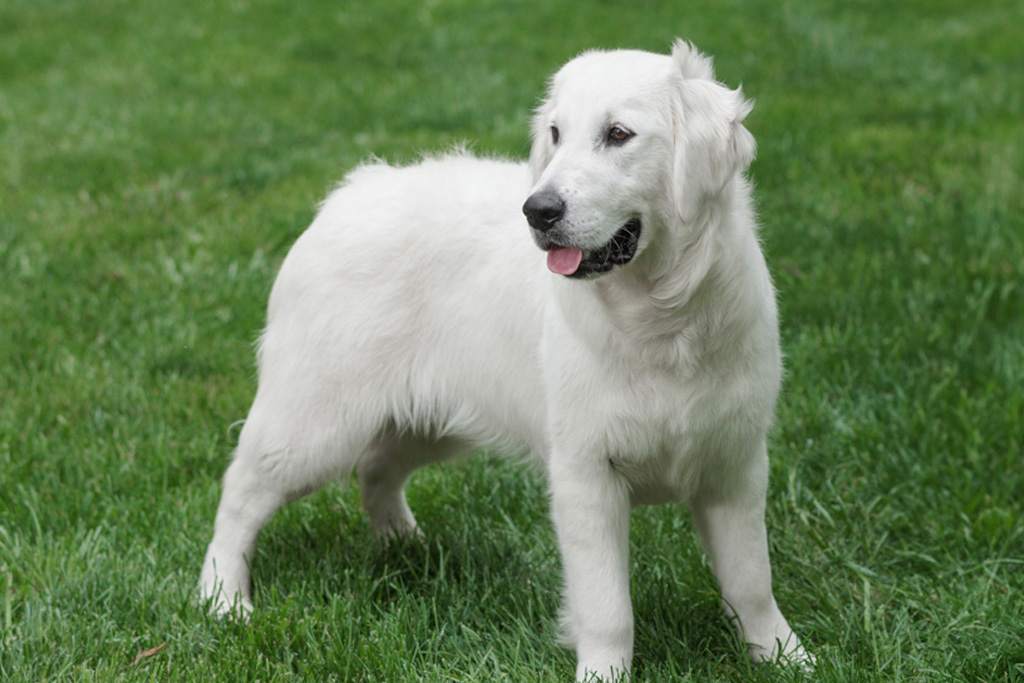
There are boxes everywhere, routines get turned upside down, and for a while, even familiar things seem to be in the wrong place. Your English Cream Golden Retriever may not understand why the furniture disappeared or why everyone suddenly seems to be carrying something, but they absolutely notice that life feels different.
Then, one day, they walk into a completely new house.
The smells are unfamiliar. The yard is different. The neighborhood sounds different. Their favorite bed may be sitting in a room they have never seen before, and the people they rely on are busy unpacking, organizing, and trying to remember which box contains the coffee maker.
The good news is that your Golden already has one of the most important things they need to successfully adjust: you.
Dogs often take comfort in familiar people, routines, scents, and expectations when their environment changes. With a little planning before the move and some patience once you arrive, you can help your English Cream Golden Retriever understand that while the house may be new, home is still home.
Start Preparing Before Moving Day
The easiest move for your dog is usually one that does not feel completely unpredictable.
In the weeks leading up to moving day, your home will likely begin changing. Boxes appear, furniture gets rearranged, and normal household rhythms may become less consistent. Some dogs barely notice, while others become more attentive as familiar surroundings begin to shift.
Whenever possible, keep the basics steady.
Try to maintain familiar meal times, walks, potty routines, and bedtime habits even when your own schedule becomes hectic. That consistency gives your Golden something recognizable to rely on as everything else changes.
If the new home is nearby and you have access before the move, a short supervised visit can help make the new environment less unfamiliar. VCA recommends allowing dogs to visit a nearby new home in advance when possible, particularly when the move will happen gradually.
You can let your Golden walk through part of the house, explore the yard on leash, and spend a little time becoming familiar with the new smells and surroundings. The visit does not need to be long or exciting. A calm, positive first experience is enough.
Keep Moving Day as Calm as You Can
Moving day itself is usually not the best time for your Golden to supervise the operation.
Doors are left open, people are carrying large objects, trucks are coming and going, and even a dog with excellent household manners can become confused by the activity. There is also a very real risk of a dog slipping through an open door while everyone is distracted.
If possible, arrange for your Golden to spend the busiest portion of moving day somewhere calm and familiar, such as with a trusted family member, friend, or pet sitter.
If that is not practical, create a secure space away from the main traffic. A familiar crate, quiet room, or another safely contained area can give your dog a comfortable place to rest while furniture and boxes are being moved through the house.
Make sure their identification information is up to date before the move as well. A properly fitted collar with updated tags and current microchip contact information provides an extra layer of protection during a period when routines and environments are changing.
Make Familiar Things Easy to Find
When you arrive at the new home, you may be eager to unpack everything immediately.
Your Golden has simpler priorities.
They want to know where their water is, where they sleep, where they go outside, and where their people are.
Setting up your dog’s familiar belongings early can make the new house feel more recognizable. Their bed, crate, blankets, food bowls, and favorite toys all carry the scents of their previous home and daily life.
AKC recommends maintaining familiar items and, when possible, arranging parts of the new home similarly to the old one to help dogs adjust to the change.
You certainly do not need to recreate your old house room by room, but setting up your Golden’s resting area early gives them a comfortable home base while the rest of the house comes together.
Try not to wash every blanket, bed cover, and favorite toy immediately before the move either. Familiar scent can be reassuring when almost everything else smells new.
Let Your Golden Explore Gradually
It may be tempting to open every door and let your dog inspect the entire house the moment you arrive.
Some Goldens will happily explore every corner and then settle down as though they have lived there for years. Others may benefit from getting to know the new space a little more gradually.
Begin with the main areas your family will use most. Show your English Cream Golden Retriever where their water, bed, crate, and yard access will be. Allow them to sniff and investigate without rushing them through the experience.
Once they seem comfortable, you can expand access to additional rooms.
There is another practical reason to take things slowly: you are still learning the new house too.
A room that seemed perfectly dog-safe during the walkthrough may suddenly contain exposed cords, unpacked boxes, cleaning supplies, or doors that do not latch quite the way you expected. Limiting access initially gives you time to make sure each area is truly safe before your Golden has free rein.
Check the Yard Before You Rely on It
A fenced yard can look secure at first glance and still have surprises.
Before allowing your Golden outside without a leash, walk the entire perimeter carefully. Check gates, fence lines, gaps beneath fencing, loose boards, landscaping hazards, and anything left behind by previous residents.
Pay attention to plants as well, particularly if you are unfamiliar with the landscaping.
Even if your new yard is fully fenced, taking your Golden outside on leash for the first few trips can help establish where they are expected to go to the bathroom and give them time to investigate the space with you nearby.
A new yard is full of unfamiliar scents, and some dogs become so interested in exploring that their usual potty routine temporarily takes a back seat.
A little patience during those first days can help establish the new pattern.
Expect the Potty Routine to Need a Refresher
A reliably housetrained dog may occasionally seem uncertain in a new home.
That does not necessarily mean training has been lost.
Your Golden has spent months or years learning which door leads outside, where the usual potty area is, and what the household routine looks like. In a new house, none of those environmental cues are familiar yet.
For the first several days, make bathroom breaks a little more deliberate.
Take your dog outside regularly, use the same cue you normally use, and reward successful trips if that has been part of your training. Pay close attention after meals, naps, play, and longer periods indoors.
AKC recommends returning temporarily to more attentive housetraining habits when a dog is adjusting to an unfamiliar home.
Most dogs quickly learn the new setup once the pattern becomes clear.
Keep the Daily Routine Familiar
The house may be new, but your Golden’s entire life does not need to become new at the same time.
If breakfast has always happened at around the same time of day, keep it there when possible. Continue familiar walks, training routines, evening play, and bedtime habits.
Dogs tend to relax more easily when they can predict what will happen next, and both the AKC and the VCA emphasize the value of consistent routines during household transitions.
That consistency can be especially helpful during the first week, when you may still be living among boxes and trying to remember where you packed half the kitchen.
Your Golden does not care whether the pictures are on the walls yet. They care that dinner still happens, walks still happen, and the people they trust are still there.
Explore the New Neighborhood Together
The neighborhood outside the front door is part of the adjustment too.
Your usual walking route has disappeared, and suddenly every mailbox, driveway, dog, scent, and passing vehicle is new.
For the first few walks, keep things relatively relaxed and give your Golden time to investigate.
You do not need to cover miles of the new neighborhood immediately. A shorter walk with plenty of time to sniff can help your dog learn the area without turning the first outing into a major event.
Over the next several days, gradually expand the route.
These walks do more than provide exercise. They help your Golden begin building a mental map of the new environment and create familiar patterns around leaving and returning to the new house.
For an English Cream Golden Retriever who enjoys being part of family life, exploring the neighborhood with you can also reinforce the most important message of the move: this is where we live now, and we are figuring it out together.
Do Not Rush Visitors
New neighbors, curious friends, and family members may all want to see the new house.
Your Golden may not share everyone’s enthusiasm for turning the first weekend into an open house.
Even a social dog can benefit from a little breathing room after a move. The environment itself is already providing plenty of new information, and adding a steady stream of visitors can make it harder for your dog to settle into the new routine.
Give your Golden a chance to feel comfortable in the house before making social activity a major part of the experience.
When visitors do arrive, use the same greeting expectations you had before the move. Familiar cues such as “place,” calm greetings, or resting in a crate can provide structure in a setting that still feels new.
Give Your Golden Permission to Be a Little Different at First
Some dogs walk into a new house and seem completely comfortable within hours.
Others need more time.
Your Golden may follow you more closely than usual, seem particularly interested in every noise, have trouble settling at night, or simply spend more time observing the new environment. Even a dog who is normally confident may temporarily behave differently while the new house begins to feel familiar.
Try not to make every small change into a problem.
Give your dog predictable routines, familiar belongings, appropriate exercise, and plenty of calm time with the family. Often, those temporary changes begin fading as the house becomes more recognizable.
VCA notes that behavioral changes can occur around moves because dogs are adjusting to unfamiliar surroundings and new routines.
If your dog’s behavior is intense, persistent, or concerning, however, it is worth speaking with your veterinarian rather than assuming the move explains everything.
Practice Alone Time in the New House
Even a Golden who was perfectly comfortable staying home alone in the previous house may need a little refresher after a move.
Being alone in a familiar home and being alone in a brand-new one are not exactly the same experience.
If possible, avoid making your first departure from the new house an entire workday.
Begin with shorter periods. Step out for a few minutes, return calmly, and gradually work back toward the routine your dog handled comfortably before the move.
Use the same resting setup, crate routine, or enrichment habits that were familiar in the previous home.
Those familiar patterns can make the new situation easier to understand.
If you work from home, remember to practice this as well. A move often leads families to spend several days together unpacking, which can accidentally create a period of constant companionship immediately before everyone returns to their normal schedules.
Gradual practice can make that transition smoother.
Keep Training Familiar While the Environment Changes
A move is not necessarily the best week to introduce an ambitious new training project.
Instead, rely on the skills your Golden already knows.
Practice place while boxes are being unpacked. Reinforce waiting at the new doors. Work on leash manners while exploring the neighborhood. Use crate routines during periods when the house becomes especially busy.
These familiar behaviors give your dog something they understand in an environment they do not understand yet.
At Majestic Manor Goldens, our Puppy Foundation and Good Puppy Citizen training programs focus on practical skills that travel well from one environment to another, including crate conditioning, waiting, leash manners, recall, handling, and place training.
One of the real benefits of foundational training is that the skills are not tied to one house. With continued practice, your Golden learns that the same expectations apply wherever family life happens.
Long-Distance Moves Need a Little Extra Planning
Some families are not simply moving across town.
A long-distance relocation may involve several days in the car, hotel stays, air travel, or spending time in temporary accommodations before arriving at the final destination.
In those situations, familiar routines become even more valuable.
Keep your Golden’s regular food available rather than changing diets during an already significant transition. Pack familiar bedding, toys, medications, veterinary records, and everything needed to maintain their normal care.
If the trip involves overnight stops, giving your dog familiar cues around meals, walks, crate time, and bedtime can create consistency even when the actual location keeps changing.
Once you arrive, allow the final home to become familiar gradually rather than assuming your dog will immediately understand that the travel portion of the experience is over.
Remember That Home Is More Than a Building
Moving can make us surprisingly emotional about physical spaces.
We remember where the dog used to nap in the afternoon sun, which window they watched from, or the spot in the yard where they always dropped their favorite ball.
Your Golden had routines attached to those places too.
But dogs also build their sense of security around people, patterns, and experiences.
Your English Cream Golden Retriever may need time to learn where the best afternoon sun falls in the new house or which window has the most interesting view, but they have not lost the things that matter most.
Their family came with them.
Their favorite bed came with them.
Dinner still happens. Walks still happen. Someone still scratches that exact spot behind their ear.
Little by little, the unfamiliar house begins accumulating familiar moments.
Give the New Home Time to Feel Like Theirs
There is no need to decide whether your Golden has “adjusted” after twenty-four hours.
For some dogs, the transition happens quickly. Others need days or weeks before every sound, room, and routine feels completely ordinary.
Keep life reasonably predictable while that happens.
Set up familiar spaces, maintain routines, explore together, protect rest, and avoid expecting your dog to immediately behave exactly as they did in the home they had known for years.
Most importantly, let the new house become familiar through ordinary life.
The first walk around the block becomes the usual route. The strange backyard becomes the place where the ball gets thrown every evening. The new kitchen becomes the place where breakfast appears. Eventually, your Golden finds a favorite spot to sleep, and you stop thinking about whether they feel at home because it is obvious that they do.
A move changes the address, but it does not change the relationship your dog relies on.
With your guidance, patience, and a few familiar routines, your English Cream Golden Retriever can learn that home was never just the old house.
It was the life you shared there, and that life came with you.
Frequently Asked Questions
How long does it take a Golden Retriever to adjust after moving?
There is no exact timeline. Some dogs appear comfortable very quickly, while others need several days or weeks to fully settle into a new environment. Maintaining familiar routines and allowing gradual exploration can help make the transition easier.
Should I let my Golden explore the entire new house immediately?
You can allow exploration, but there is no need to give full access immediately. Introducing the main living areas first gives your dog time to become comfortable and gives you time to make sure the rest of the house is safe and fully dog-proofed.
Can a housetrained Golden have accidents after moving?
Yes. A new environment may temporarily disrupt familiar potty cues. Provide more frequent outdoor opportunities during the first few days and show your dog clearly where you expect them to eliminate.
Should I keep my Golden’s old bed and blankets after a move?
Yes. Familiar belongings and scents can provide comfort in a new environment. There is no need to replace or freshly wash everything immediately before moving.
Why is my Golden following me everywhere in the new house?
Your dog may simply be looking to you for familiarity while learning the new environment. Mild increases in following or attentiveness can occur during an adjustment period and often lessen as the house becomes familiar.
Can I leave my Golden alone immediately after moving?
If possible, begin with shorter departures before returning to longer absences. Even dogs that previously stayed home comfortably may benefit from practicing alone time again in the unfamiliar environment.
What should I do with my Golden on moving day?
Ideally, keep your dog away from the busiest moving activity. A trusted caregiver or secure, quiet room can protect them from open doors, heavy furniture, unfamiliar people, and the general confusion of the move.
Should I take my Golden to the new house before moving?
If the home is nearby and you have access, a short supervised visit can be helpful. Let your dog calmly explore part of the house or yard so the environment is not entirely unfamiliar on moving day.
When should I call my veterinarian after a move?
Contact your veterinarian if behavioral changes are severe, continue without improvement, or are accompanied by changes in appetite, elimination, sleep, mobility, or other signs that could indicate a health concern rather than ordinary adjustment.
Can Majestic Manor’s training programs help prepare a Golden for changes like moving?
Majestic Manor Goldens’ Puppy Foundation and Good Puppy Citizen programs introduce practical skills including crate conditioning, leash manners, waiting, recall, handling, and place training. These foundational behaviors can give families useful tools when helping a dog navigate changes in environment and routine.