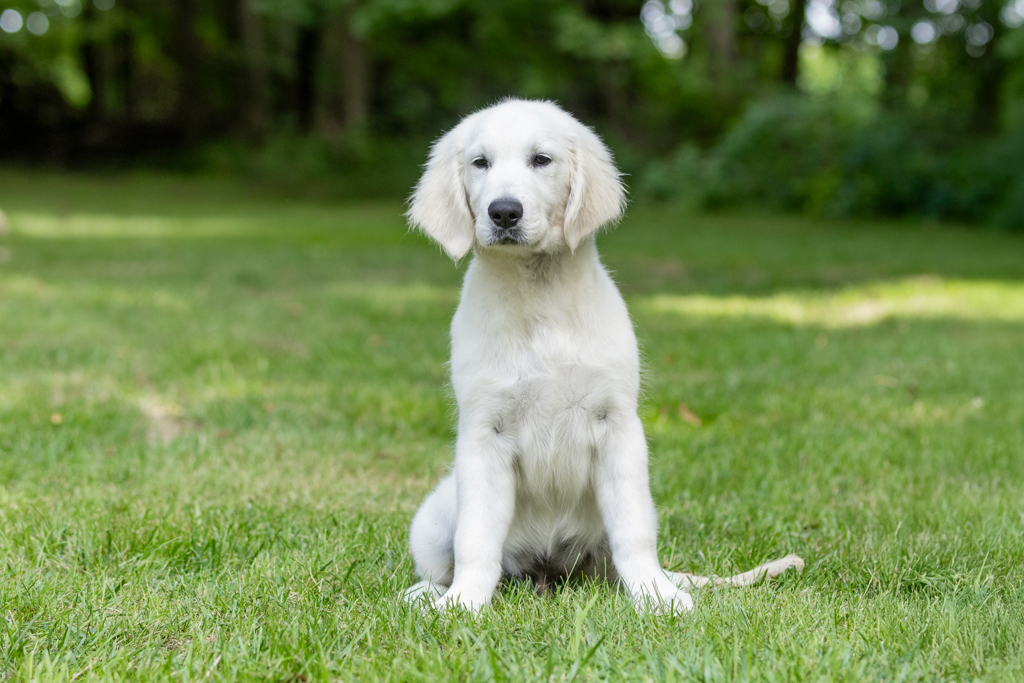
When people talk about bringing a dog into their home, they usually focus on the obvious moments. The excitement of the first day. The joy of puppy kisses. The laughter that comes with clumsy play and wagging tails.
What rarely gets talked about are the quieter changes. The ones that unfold slowly and almost without notice. The ways a dog reshapes daily life not through big gestures, but through presence, routine, and connection.
Dogs do not just bring energy into a home. They soften it. They steady it. And over time, they transform a house into something that feels more grounded, more lived-in, and more deeply connected.
Quiet Feels Different When You Are Not Alone
One of the first unexpected shifts many families notice is how quiet it begins to feel once a dog becomes part of the household.
It is not that the house is louder or busier all the time. It is that silence no longer feels empty. A dog resting nearby changes the texture of a room. The gentle sound of breathing, the quiet movement from one space to another, and the sense of shared presence all make stillness feel comforting rather than hollow.
Even when nothing is happening, the home feels inhabited in a new way. There is a calm reassurance in knowing you are not alone in the quiet moments, and that kind of presence has a grounding effect on the entire household.
Everyday Routines Take on New Meaning
Before a dog, routines often feel like tasks to get through. Morning alarms, evening schedules, and daily responsibilities blur together as part of a busy life.
With a dog, those same routines begin to carry more meaning.
Morning walks become a moment of connection before the day starts. Evening feedings naturally signal that it is time to slow down. Even simple habits, like opening the door or settling onto the couch, feel more complete when they are shared.
Dogs thrive on consistency, and in return, they help families create a rhythm that feels steady and intentional. Over time, routines stop feeling rushed and start feeling like rituals that anchor the day.
Leaving and Coming Home Feels Different
This is a change many people do not expect until they experience it.
Once a dog is part of the family, leaving the house carries a different weight. There is comfort in knowing someone is waiting for you, someone whose excitement and affection do not depend on how long you were gone or what kind of day you had.
Coming home becomes more than unlocking the door. It becomes a reunion, even if it is a quiet one. For many families, this sense of being expected and welcomed adds emotional depth to the idea of home itself.
Home stops being just a place and starts feeling like a relationship.
Emotional Support Appears in Subtle Ways
Dogs are often described as emotional support companions, but that support rarely looks dramatic or obvious.
More often, it shows up in small, steady moments. A dog stays close when energy feels low. A gentle nudge or quiet presence during a stressful day. A calm weight resting against you when words feel unnecessary.
English Cream Golden Retrievers, in particular, are known for their emotional awareness and sensitivity to their people. They do not need to be taught to notice changes in mood. They simply do. Over time, many families realize that their dog offers comfort not by fixing problems, but by quietly sharing the space during them.
Laughter Finds Its Way Into the Day
Dogs bring humor into a home in ways that feel effortless and unplanned. A playful misunderstanding, a dramatic stretch, or an expression that seems almost human can break tension and invite laughter at just the right moment.
These moments may be small, but they matter. They remind families not to take everything so seriously and help create a home where joy feels natural rather than forced.
In homes with children, dogs often become a bridge between responsibility and play. In quieter households, they introduce lightness that gently punctuates the day. Either way, laughter becomes easier to come by when a dog is part of daily life.
A Home Learns to Move More Gently
Living with a dog subtly changes how people move through their space.
Doors close more softly. Footsteps become more mindful. Voices are lower during moments of rest. These changes are rarely intentional, but they reflect a growing awareness of shared space and mutual care.
Over time, this gentleness often extends beyond the dog itself. Families find themselves slowing down, becoming more patient, and paying closer attention to one another. A home with a dog learns how to be considerate simply by learning how to care.
Presence Becomes More Valuable Than Productivity
In a world that often rewards constant motion, dogs quietly offer a different perspective. They are not impressed by how busy you are or how much you accomplish. What matters to them is that you are present.
Time spent sitting together, walking without urgency, or simply sharing the same room becomes meaningful in a way that productivity cannot replace. Many families notice that their dog gently shifts priorities, making space for moments that might otherwise be overlooked.
Being present starts to feel rewarding again, not because life slows down entirely, but because there is someone who thrives in those moments with you.
The Bond Forms Without Announcement
Perhaps the most surprising change of all is how quietly the bond develops.
There is rarely a single moment when everything clicks. Instead, connection builds through daily interactions. Feeding, walking, resting, learning one another’s rhythms. Over time, families realize they are no longer adjusting to life with a dog. The dog has simply become part of life.
This kind of bond does not announce itself. It settles in, steady and reliable. And once it does, it reshapes the meaning of home in ways that feel lasting and deeply personal.
When a House Starts to Feel Like Home
Dogs do not change a home by demanding attention or filling every moment with activity. They change it by adding a heart.
They offer companionship without conditions. They create connections without words. They bring comfort into ordinary moments and meaning into routines that once felt mundane.
The quiet ways dogs change a home are often the ones families treasure most. They linger in the background of daily life, shaping how a household feels long after the puppy stage has passed.
Those are the changes no one really tells you about. And for many families, they are the reason home never feels the same again.